
The Atlas Journal
Insights & Fine Jewelry Guides
Expert guides, care tutorials, market intelligence, and stories from the world of luxury.
Latest Articles
 Watches
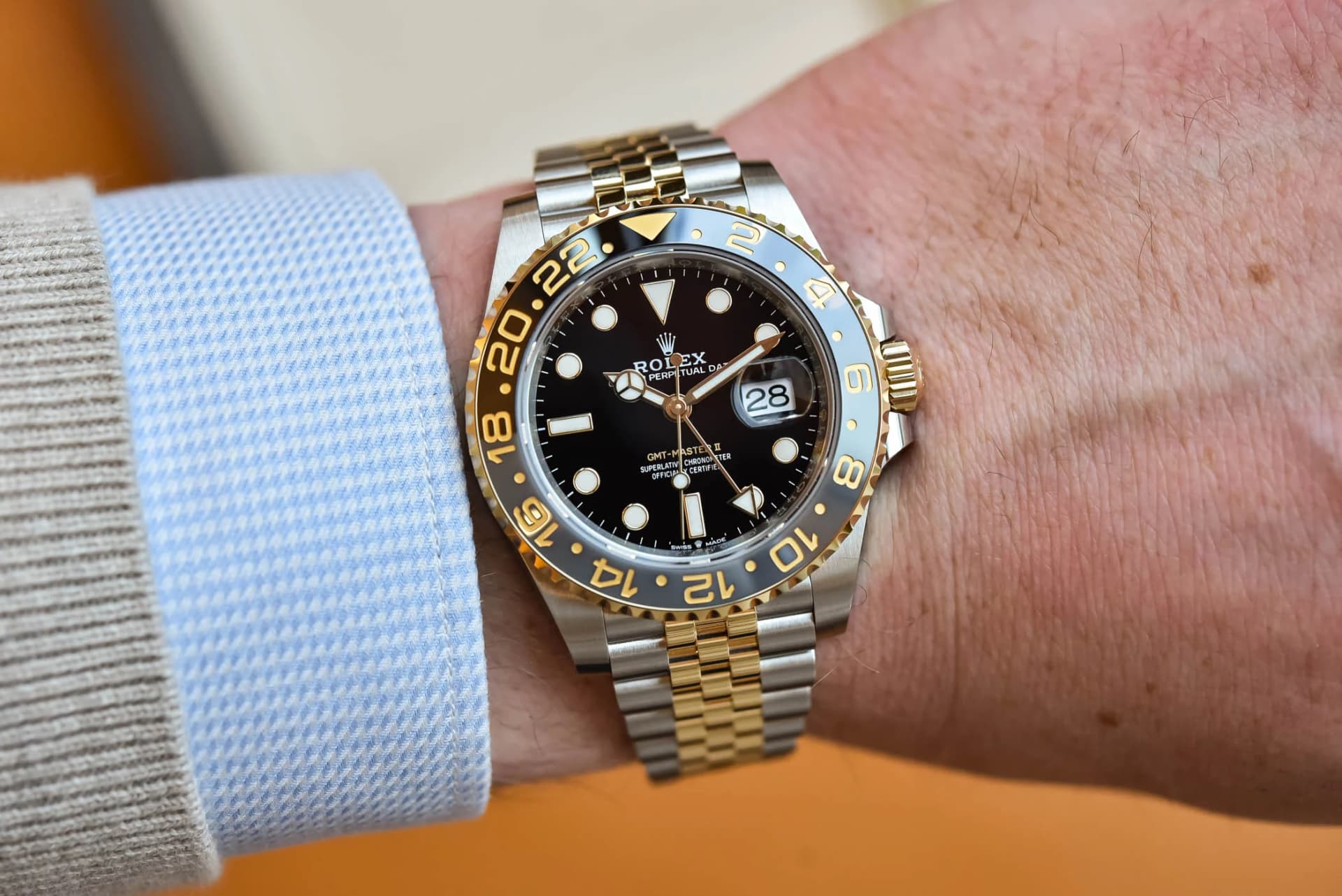
Navigating the Rolex GMT-Master II Buying Process: A US Buyer’s Strategic Guide
The Rolex GMT-Master II remains one of the most sought-after luxury watches in the US secondary market, with retail prices now at $12,000 for steel models and secondary-market asking prices ranging from $20,000 to $47,000+ depending on configuration and condition. Buying one requires understanding current pricing mechanics, authentication standards, and the gap between authorized-dealer waiting lists and faster secondary-market acquisition. This guide walks you through the research, sourcing, and verification steps that informed US buyers are currently using to secure a GMT-Master II efficiently. Quick Decision Snapshot The fastest path to acquisition depends on your budget, timeline, and priority. Here’s what matters most right now: This is educational market guidance, not financial or investment advice. What Actually Drives Value and Demand The steel GMT-Master II has experienced significant retail pricing pressure—jumping 6.2% in early 2026—while secondary-market premiums remain stubbornly high, reflecting authorization-channel constraints and limited new supply reaching the market. Reality check: Retail price increases do not immediately compress secondary-market asking prices. In many cases, secondary-market sellers hold or even increase their asking prices for 6–12 months following a retail adjustment, betting that demand from excluded buyers will remain strong. The gap between Rolex’s MSRP and what watches trade for …
 Watches
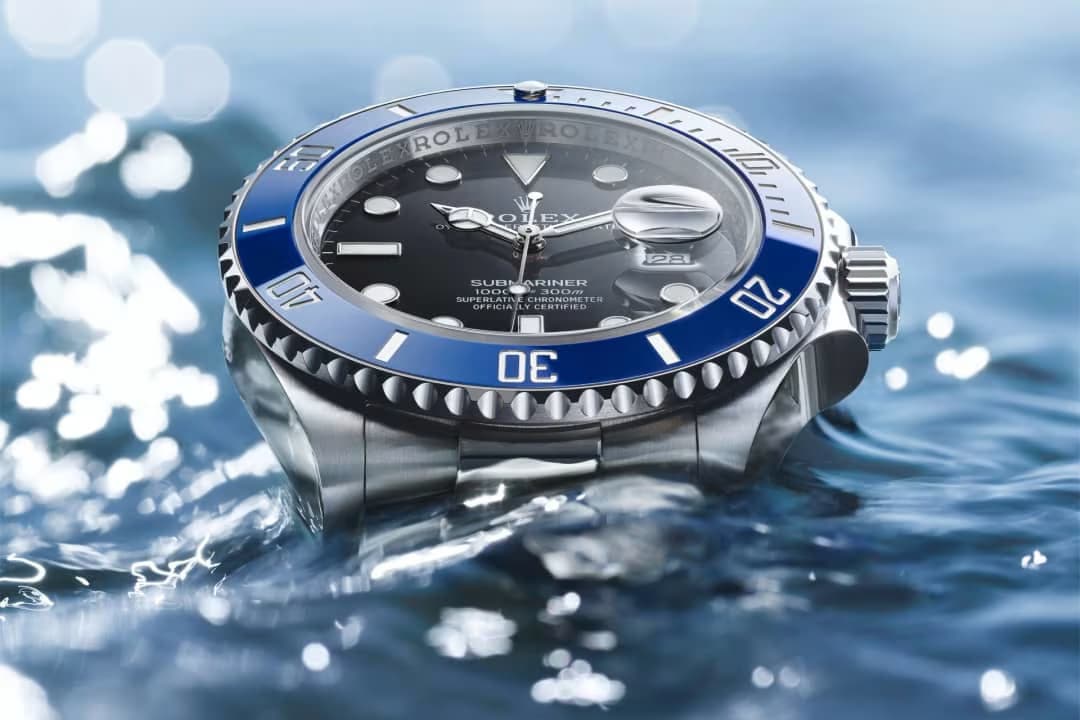
Evaluating Rolex Submariner Conditions: A Comprehensive US Buyer Checklist
Condition determines whether a Submariner holds value or becomes a service project. A buyer needs to understand exactly what to inspect, how to grade what they see, and what trade-offs condition creates for price, authenticity risk, and long-term ownership. This guide walks you through the US secondary-market evaluation framework—the same checklist professionals use to price steel and precious-metal Submariners accurately. Quick Decision Snapshot Before diving into detailed inspection, here’s what separates a smart purchase from a costly mistake: This is educational market guidance, not financial or investment advice. What Actually Drives Value and Demand Condition and originality separate a $9,000 daily wearer from a $16,000+ collectible; minor differences in reference, polishing, and documentation can shift value by $2,000–$4,000 in today’s US market. In early 2026, steel Submariners typically range from $9,000 to over $20,000 depending on reference, age, and condition grade. A modern 114060 in mint condition commands premium pricing; a vintage 5512 in excellent original condition may exceed that range if service history is documented. Reality check: Condition alone does not guarantee resale speed or buyer interest. Market demand fluctuates based on reference popularity, steel availability, and collector appetite for specific production years. A well-preserved example will sell faster …
 Watches
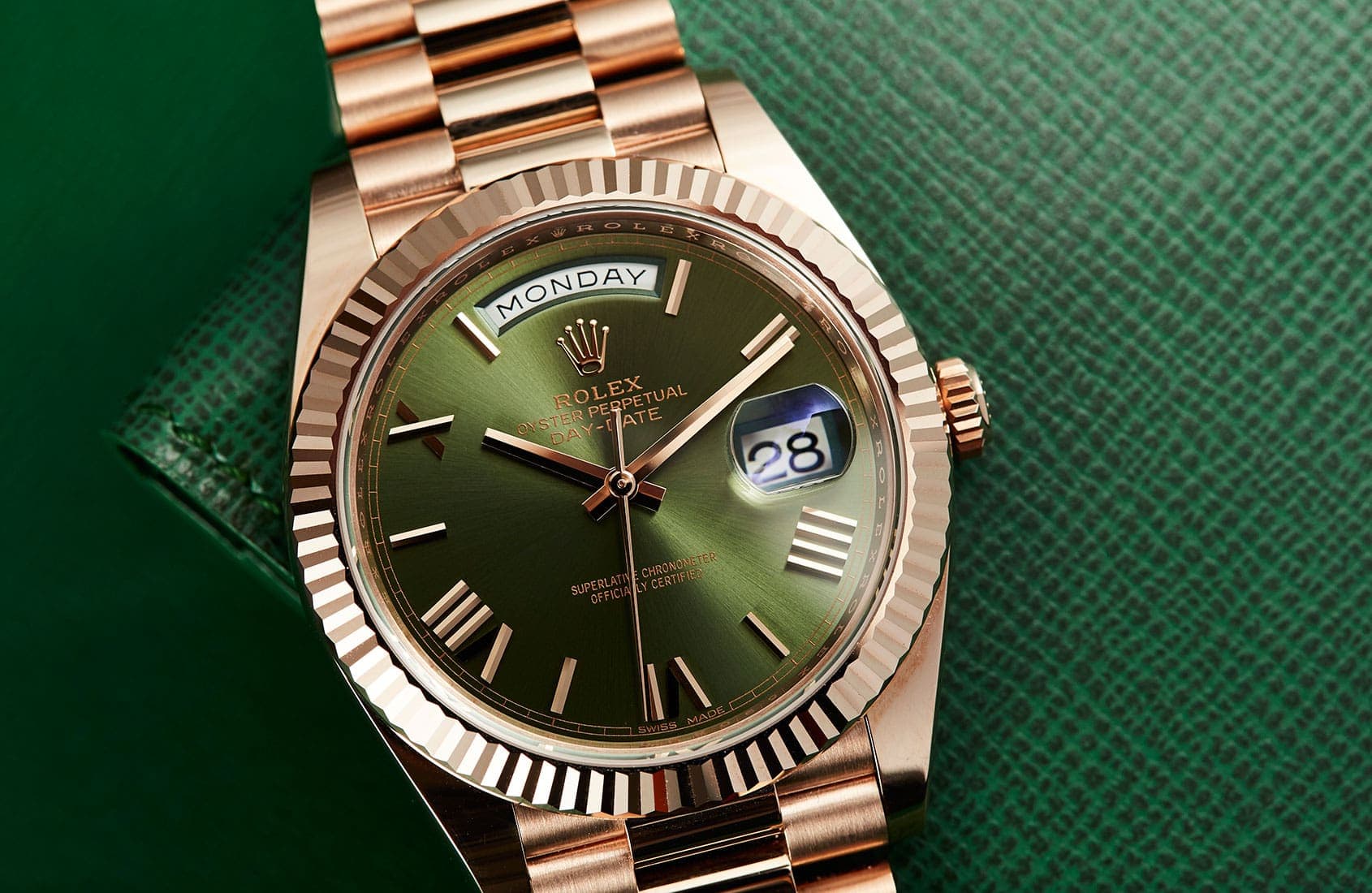
Analysis of Rolex Day-Date Liquidity and Price Bands in the Secondary Market
Immediate Answer Block The Rolex Day-Date secondary market in the US is currently stable and rational after three years of correction from pandemic-era peaks. Most examples trade between 15–17% above retail MSRP ($40,000–$48,000 for yellow gold 36mm), with liquidity remaining strong because collector demand and global scarcity continue to support predictable resale. Timing, condition, reference year, and metal composition are the primary drivers of realized value; new buyers should expect 1–3 week transaction timelines and should prioritize authentication and service history over chasing price floors. Quick Decision Snapshot Disclaimer: This analysis reflects US secondary market patterns and historical data. It is educational market guidance, not financial advice, and does not guarantee future pricing, liquidity, or outcomes. What Actually Drives Value and Demand The Rolex Day-Date does not appreciate uniformly. Metal type, service status, and production era are non-negotiable value signals; vintage and recently discontinued references trade at different multiples than current-production models. The Day-Date has held secondary-market value better than most luxury watches because it combines professional utility, precious-metal durability, and limited annual production (Rolex makes approximately one million watches globally per year across all models). Global liquidity is exceptional—a Day-Date purchased in New York sells without friction in Dubai, …
 Watches
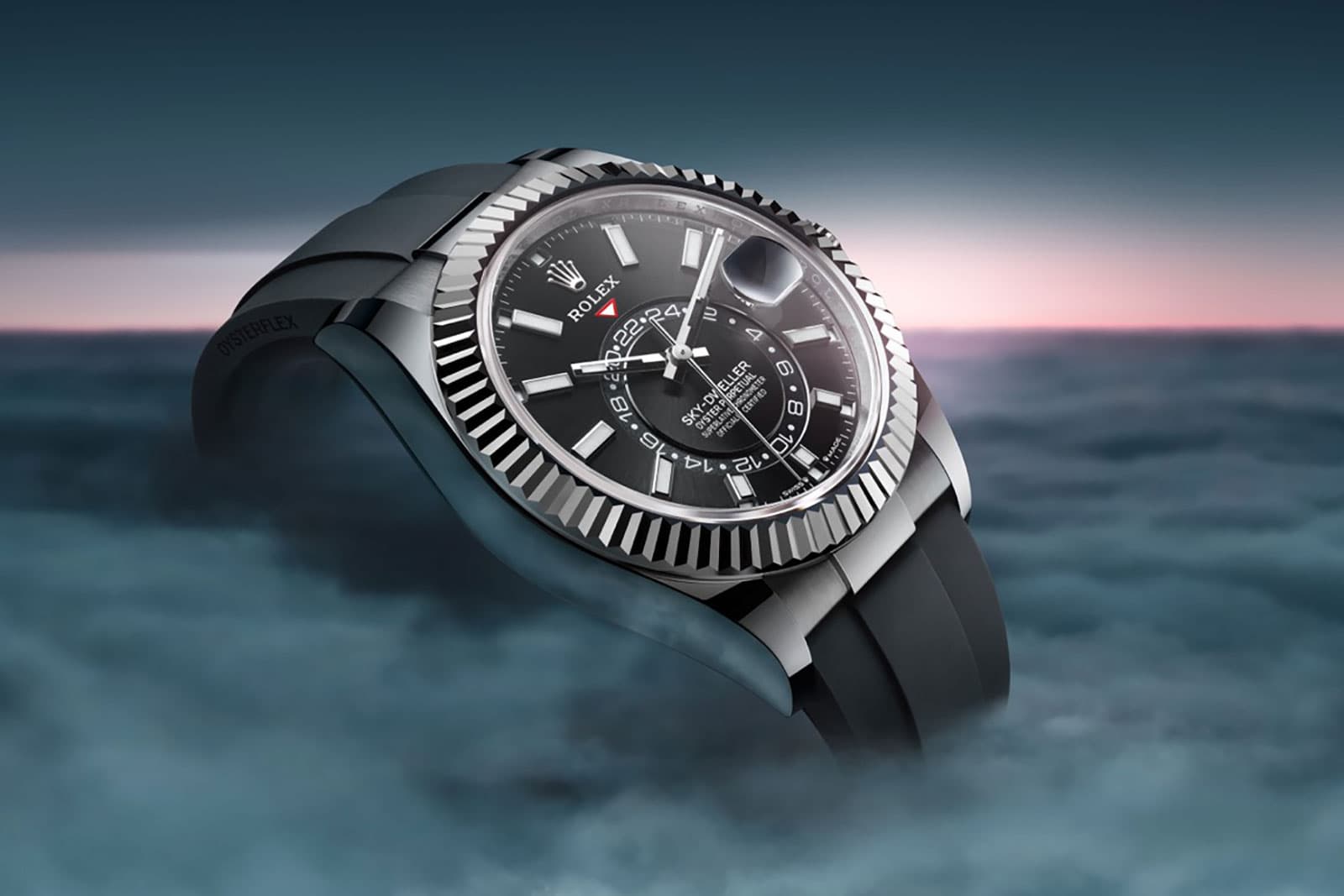
Rolex Sky-Dweller Configuration Insights: Dial, Band, and Metal Comparisons for US Buyers
The Rolex Sky-Dweller exists in multiple metal, dial, and bracelet combinations that directly impact price, availability, and resale demand in the US secondary market. For 2026 buyers, understanding how configuration choices affect purchase cost—ranging from $17,750 at retail to $61,900—and secondary-market value is essential before committing capital or requesting a sourcing quote. This guide breaks down the mechanics: which dial colors command premiums, how band materials influence wear and pricing, which metal options suit your timeline, and what configuration data you need to provide when seeking inventory or pursuing a buy lead. Quick Decision Snapshot This guide provides educational market overview and configuration guidance for US buyers; it does not constitute investment or financial advice. What Actually Drives Value and Demand The Sky-Dweller’s secondary-market value hinges on three factors: dial color, metal type, and completeness (box/papers/service history). Stainless steel with blue or mint green dials commands premiums because supply is tightly controlled by Rolex, and waitlists exceed availability by years. In contrast, yellow gold models—despite their prestige—have dipped well below retail on the secondary market unless they feature rare dial colors like green. Reality check: Demand dynamics shift with retail availability. When Rolex restocks stainless steel models in boutiques, secondary-market …
 Watches
The Pre-Owned Rolex Datejust Buyer’s Decision Guide for US Shoppers
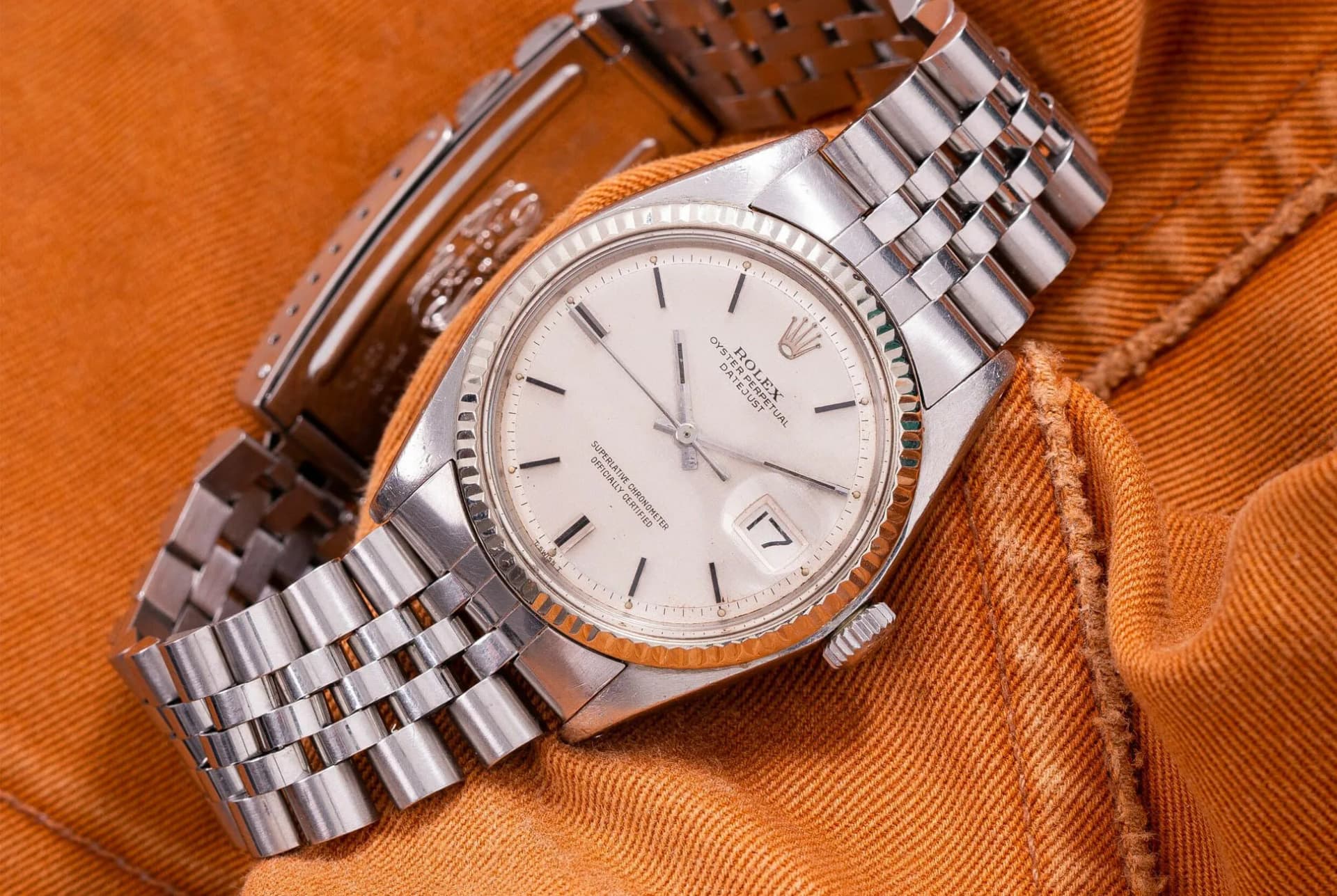
Pre-owned Rolex Datejust watches typically trade between $5,995 and $10,495 across current US market conditions, depending on reference, case material, condition, and completeness of box/papers. The Datejust commands steady resale demand but does not exhibit the dramatic premiums seen in sports models like Submariner or Daytona. Your buy decision hinges on three factors: what specific configuration fits your use case, whether you’re comfortable with the liquidity profile of steel versus gold, and how to validate authenticity and condition before committing capital. Quick Decision Snapshot Educational market guidance only; not financial advice. Pre-owned pricing varies by dealer, condition grade, and demand cycle. What Actually Drives Value and Demand The Datejust holds value through steady brand recognition and broad appeal—not speculation. Unlike Daytona or steel sports models, Datejust resale relies on everyday wearability, classic styling, and the watch’s 70-year heritage rather than artificial scarcity. This stability is a feature for practical buyers but means you should not expect 15–20% annual appreciation as with hot-ticket references. Reality check: The Rolex Datejust resale market reflects predictable wear patterns and service expectations. Over a decade, comparable growth averages 3.3% annually when annualized from 1994 baseline data. This is above-average for consumer goods but should never …
 Watches
Rolex Daytona: Bridging Pricing Mechanics and Market Liquidity in the US Secondary Market
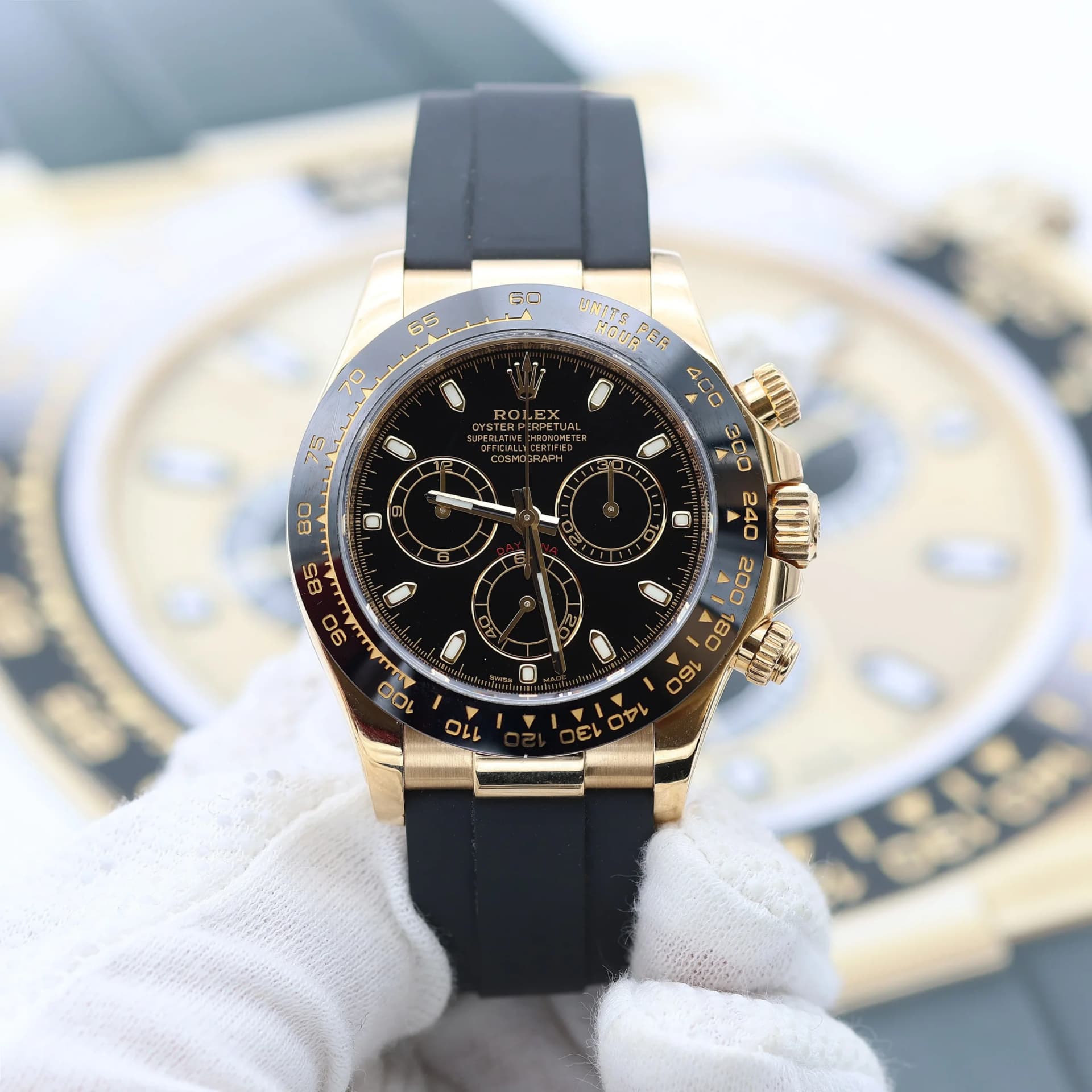
Rolex Daytona secondary market pricing in the US ranges from $20,000 for entry-level stainless steel models to $510,000+ for rare precious metal configurations, driven primarily by reference number, material composition, dial variant, and condition rather than retail MSRP alone. The gap between MSRP and secondary-market trading prices reflects constrained supply at retail, sustained collector demand, and metal-dependent liquidity mechanics. Understanding which specific Daytona configuration matches your intent—and what inputs accelerate a transaction—is critical to navigating this market efficiently without overpaying or underestimating value. Quick Decision Snapshot Educational market guidance only; not financial or investment advice. What Actually Drives Value and Demand Secondary-market Daytona pricing is determined 80% by reference number and material, 15% by condition and service history, and 5% by market sentiment and timing. Retail MSRP functions as background context only; scarcity and collector competition set floor and ceiling, not Rolex’s suggested price. Reality check: The Daytona corrected 51% from peak (2022: $53,911 → 2024–2025: ~$37,995 average), yet remained Rolex’s most expensive modern sports model. This volatility reflects speculative collector behavior during the 2020–2022 surge, not fundamental value destruction. Current pricing preserves a 357% appreciation baseline since 2010, indicating sustained long-term demand despite short-term correction. Material composition is the …
 Jewelry
Authenticating Handcrafted Diamond Jewelry: A Detailed Verification Guide
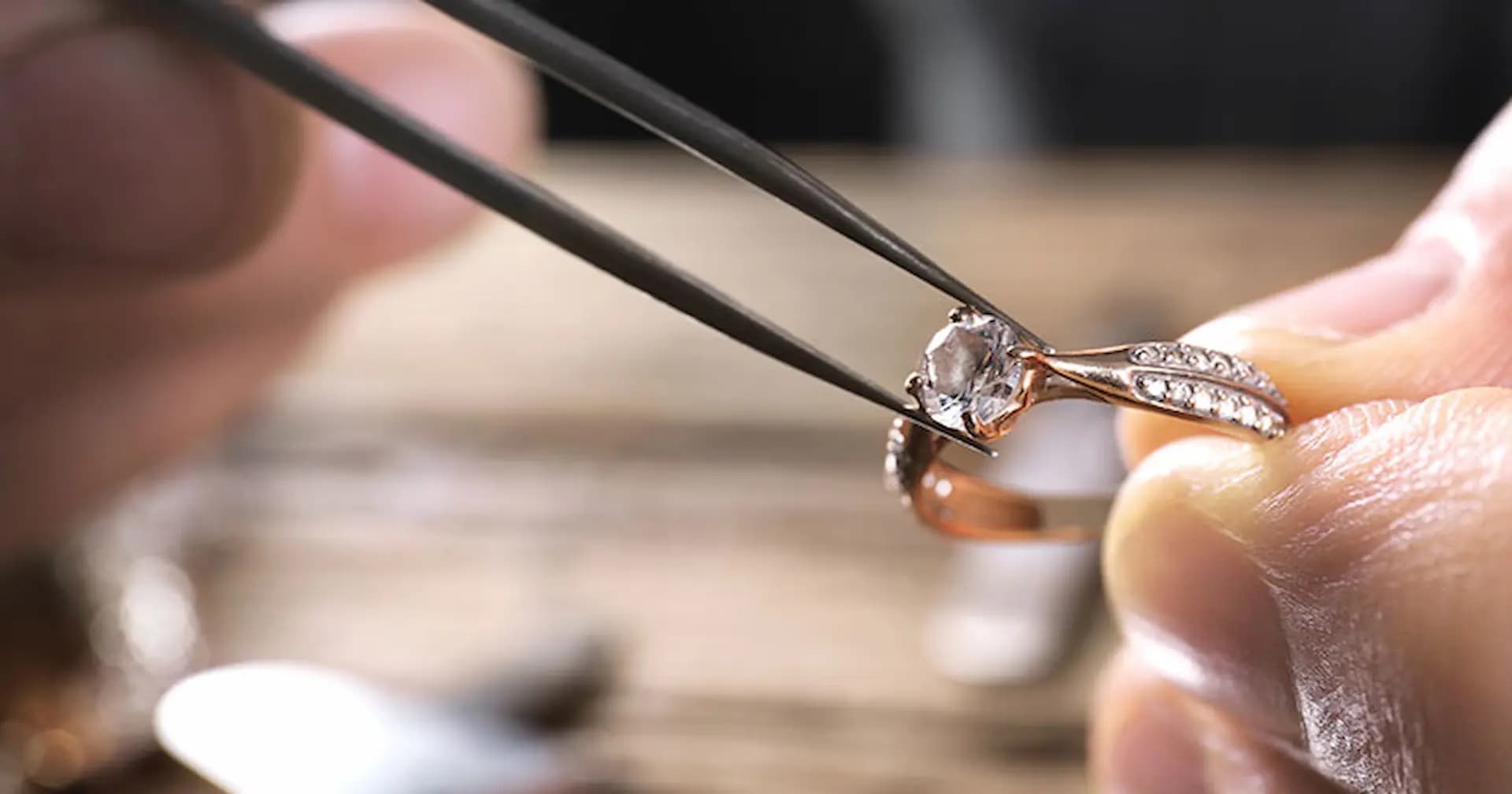
Immediate Answer Block Handcrafted diamond jewelry authentication requires verification of hallmarks, metal purity, stone certification, and craftsmanship quality through systematic examination and professional assessment. Whether you’re buying, selling, or sourcing high-value pieces, understanding authentication fundamentals protects against counterfeits and ensures fair market value. The fastest path forward is visual inspection combined with third-party certification review, followed by professional lab analysis if needed. Our team can guide you through intake, evaluation, and next steps—typically within 24 hours of submission. Quick Decision Snapshot This content is educational market guidance and does not constitute financial or investment advice. What Actually Drives Value and Demand Handcrafted diamond jewelry commands premium pricing because authentic pieces retain provenance, material integrity, and designer heritage that counterfeits cannot sustain. Real demand in the US market centers on verified designer pieces (Cartier, Tiffany, Bvlgari) with intact original documentation, combined with certified stone specifications that third-party labs confirm. Reality check: Many sellers overestimate jewelry value because they confuse retail MSRP with secondary market pricing. A $12,500 designer bracelet at retail typically trades between $6,000–$9,000 depending on condition, certification status, and regional demand. Buyer confidence directly correlates to authentication rigor. Example: A Cartier Love bracelet in 18K yellow gold with original …
 Watches
Jubilee vs. Oyster Bracelet: The Ultimate Comparison (Comfort, Durability, and Value)
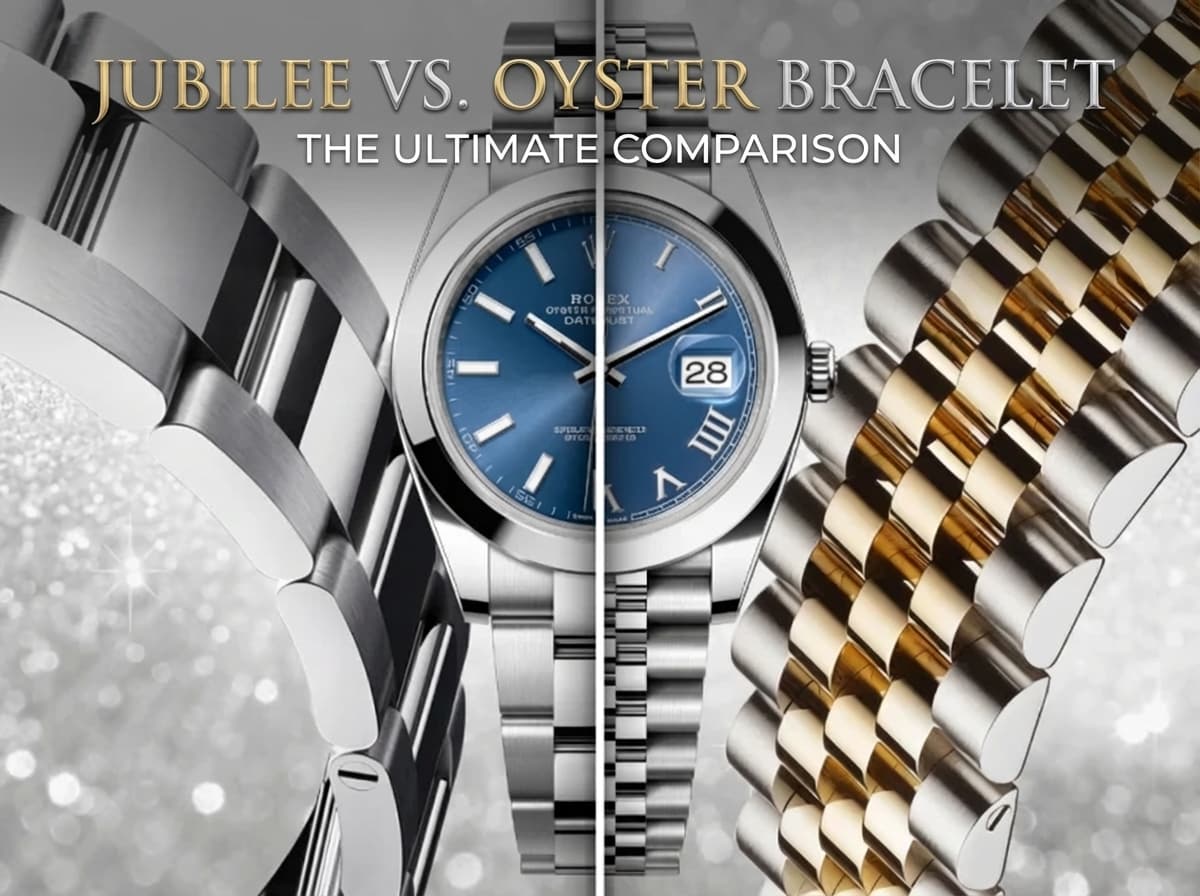
Key Takeaways: Design Philosophy & Origins The Oyster (1930s): The Tool Watch Standard Rolex’s Oyster bracelet emerged in the 1930s as a masterpiece of functional simplicity. The original three-link design prioritized durability, diving capability, and speed of repair—if a link broke, a watchmaker could replace it without proprietary tools. The broad, flat surfaces were easy to brush, easy to clean, and built to withstand the rigors of active use. This utilitarian philosophy extended to professional models like the Submariner and Daytona, where the Oyster remains the only bracelet option. Rolex never offers these sports watches on Jubilee precisely because the tool-watch heritage demands structural robustness over aesthetic sophistication. The Jubilee (1945): The Dress Alternative In 1945, celebrating Rolex’s 40th anniversary, the brand launched something radically different—the Jubilee bracelet. Originally exclusive to the Datejust, the five-link semi-circular design was intentionally engineered to look and feel like fine jewelry. The Jubilee wasn’t about durability or tool-watch function; it was about elegance, drape, and catching light. For decades, the Jubilee remained a dress-watch staple, appearing primarily on Datejusts and Day-Dates. The pivotal moment came in 2018 when Rolex offered the GMT-Master II on Jubilee—creating the “Pepsi” and later the “Batgirl”—fundamentally changing perceptions of the bracelet …
 Watches
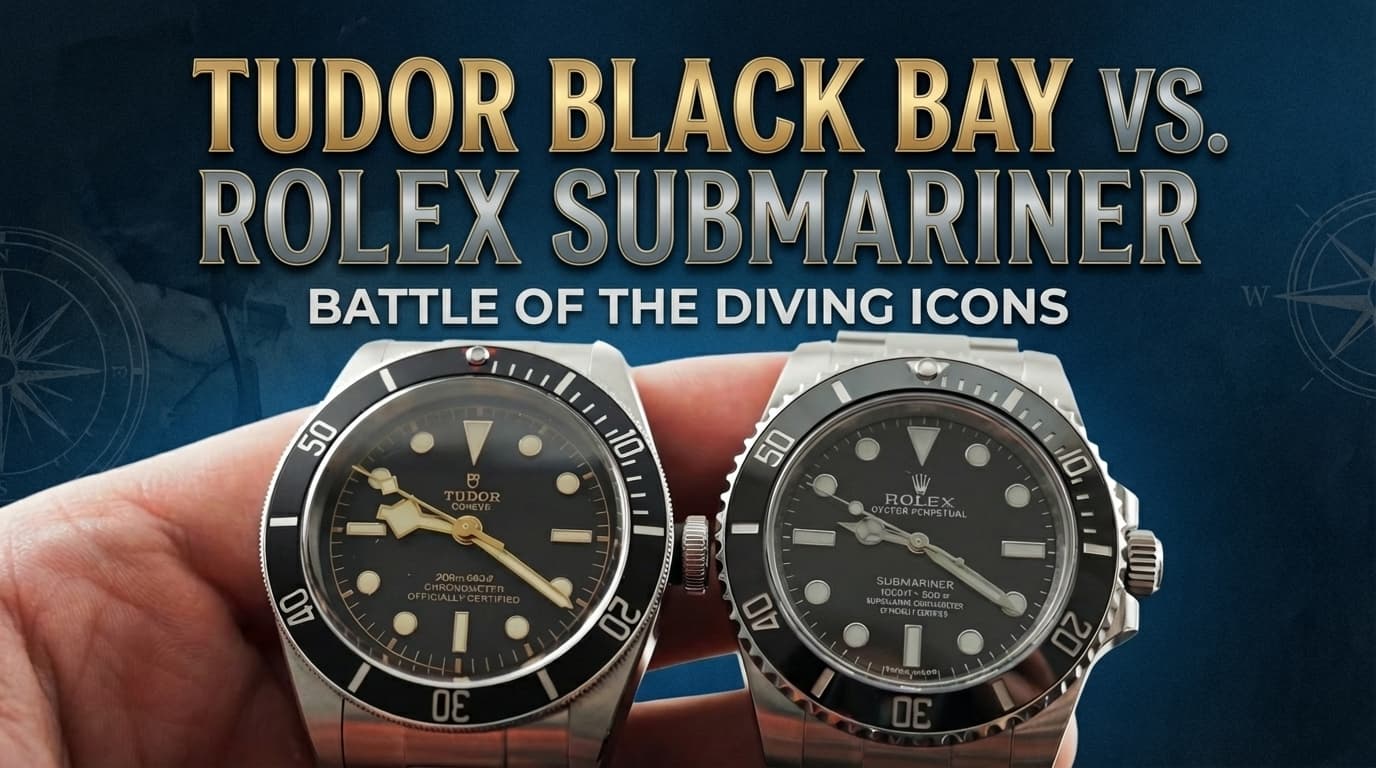
Tudor Black Bay vs. Rolex Submariner: Is the $7,000 Difference Justified? (2025 Comparison)
Key Takeaways: The Heritage Connection: Brothers, Not Rivals Hans Wilsdorf’s Vision Tudor is not a “knock-off” or a competitor trying to copy Rolex. It was created by Hans Wilsdorf himself—the founder of Rolex—in 1946 with a specific mission: to offer Rolex dependability at a lower price point for markets where a full Rolex was financially out of reach. Wilsdorf’s strategy was elegant: use the same robust cases and waterproof technology as Rolex, but substitute less expensive movements (initially ETA-based) to dramatically reduce costs. The result was a watch that inherited Rolex’s engineering DNA without the luxury premium. Shared DNA Historically, Tudor and Rolex shared parts—cases, crowns, tubes, and even bracelets in some eras. Vintage Tudor Submariners from the 1960s–1980s used Rolex cases and were serviced at Rolex facilities. Today, they are distinct entities with separate factories, separate R&D teams, and separate supply chains—but ownership remains the same (Rolex Group). The modern Tudor is no longer “Rolex on a budget.” It’s a legitimate manufacture with its own identity, movements (Kenissi-made), and design philosophy. The connection is heritage, not dependence. The Price Reality in 2025 MSRP vs. Market Value This is where the comparison gets brutal: Tudor Black Bay (41mm steel): Rolex Submariner Date (41mm steel, ref. 126610LN): …