Immediate Answer Block
Handcrafted diamond jewelry authentication requires verification of hallmarks, metal purity, stone certification, and craftsmanship quality through systematic examination and professional assessment. Whether you’re buying, selling, or sourcing high-value pieces, understanding authentication fundamentals protects against counterfeits and ensures fair market value. The fastest path forward is visual inspection combined with third-party certification review, followed by professional lab analysis if needed. Our team can guide you through intake, evaluation, and next steps—typically within 24 hours of submission.
Quick Decision Snapshot
- Hallmark verification (metal stamps, maker’s marks, purity codes) serves as your first authentication checkpoint and varies by production year and origin region
- Stone certification from established labs (GIA, AGS, IGI) provides objective verification of carat weight, clarity, cut, and color grading
- Craftsmanship inspection examines construction quality, solder lines, prong settings, and surface finishing—details counterfeiters rarely replicate accurately
- Provenance documentation including original purchase receipts, appraisals, and ownership records significantly strengthens transaction confidence and resale value
- Professional authentication using magnification, precision scales, and metal composition analysis delivers definitive results when visual inspection alone raises questions
This content is educational market guidance and does not constitute financial or investment advice.
What Actually Drives Value and Demand
Handcrafted diamond jewelry commands premium pricing because authentic pieces retain provenance, material integrity, and designer heritage that counterfeits cannot sustain. Real demand in the US market centers on verified designer pieces (Cartier, Tiffany, Bvlgari) with intact original documentation, combined with certified stone specifications that third-party labs confirm.
Reality check: Many sellers overestimate jewelry value because they confuse retail MSRP with secondary market pricing. A $12,500 designer bracelet at retail typically trades between $6,000–$9,000 depending on condition, certification status, and regional demand. Buyer confidence directly correlates to authentication rigor.
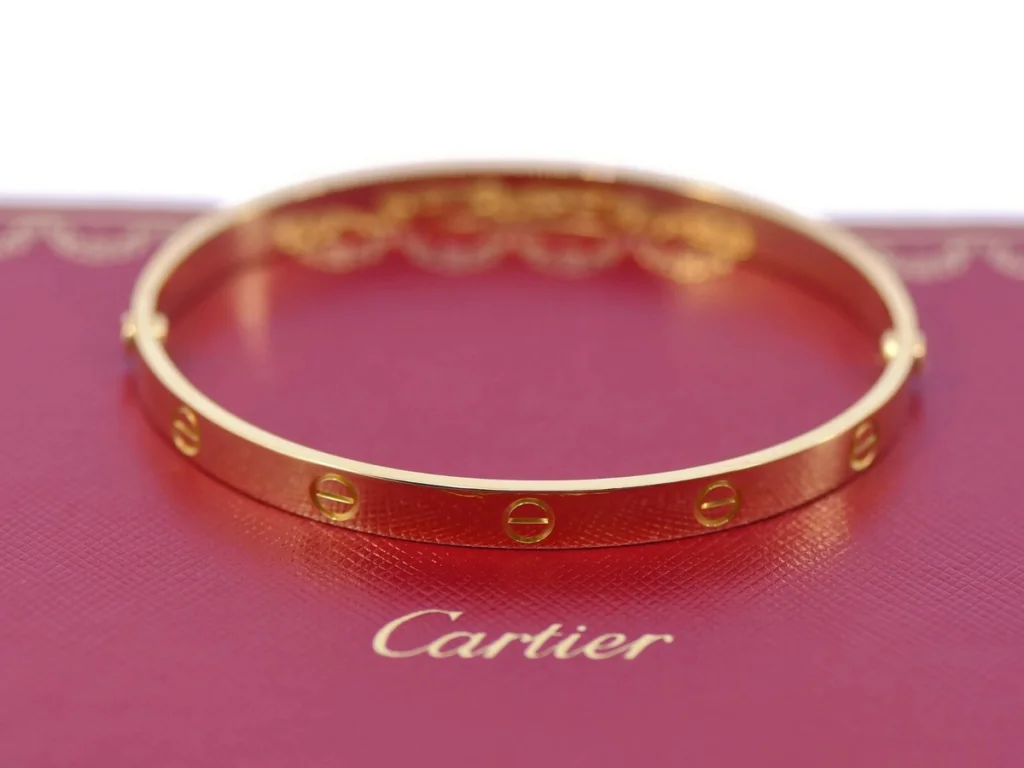
Example: A Cartier Love bracelet in 18K yellow gold with original screwdriver and certificates from both the estate seller and a neutral gemological lab will command 30–40% more than an identical piece without documentation, even if physical condition is identical.
Category-Specific Evaluation Framework
Handcrafted diamond jewelry authentication varies by piece type, materials, and era of manufacture. Understanding category-specific markers ensures you catch authenticity red flags before investment capital moves.
Evaluating Diamond Jewelry by Type
Metal and Hallmark Standards
Genuine handcrafted pieces carry hallmarks indicating metal type (750 for 18K gold, 950 for platinum), purity stamps, and often maker’s marks or regional origin indicators (eagle head for French-made Cartier, for example). Counterfeiters frequently apply shallow, misaligned, or inconsistent stamps that blur or lack the crisp detail of genuine manufacturer marks. Hallmarks also reveal production era—font styles, stamp placement, and regional variations changed throughout brand histories, helping date authenticity.
Stone Specifications and Certification
Handcrafted diamond jewelry typically includes GIA, AGS, or IGI diamond certification documents that detail carat weight, clarity grade (FL through I3), color grade (D through Z), and cut assessment. Verify certification numbers directly through the lab’s online portal; counterfeiters produce fake certificates frequently. Real stones display specific inclusion patterns and fluorescence properties documented in original certificates. Weight specifications matter—precision scales can detect metal composition inconsistencies if diamond weight differs from what certificates claim.
Craftsmanship Markers
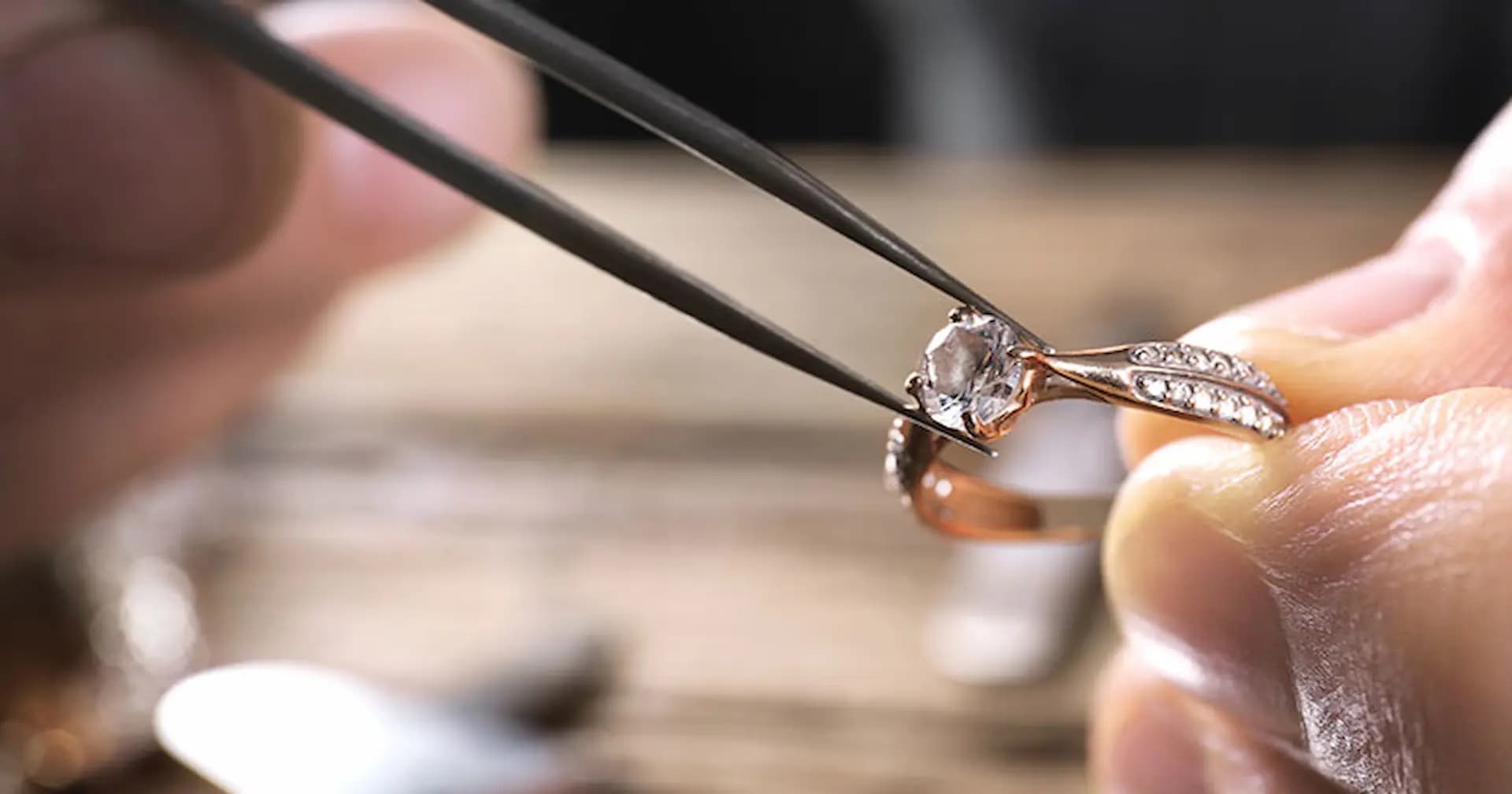
Authentic handcrafted pieces exhibit seamless solder joints, perfectly aligned prong settings, smooth interior surfaces, and consistent finishing across the entire piece. Examination using 10x magnification reveals construction quality impossible for counterfeiters to replicate: tool marks should be minimal, screws (if present) should fit precisely without forcing, and locking mechanisms should operate smoothly. Professional jewelers identify authentic craftsmanship by the absence of rough edges, bubbles in solder, or uneven metal finishing.
Verification Workflow by Category
- Visual inspection under 10x magnification: examine hallmarks for consistency, alignment, and clarity; assess solder lines and prong alignment.
- Document verification: confirm certificate numbers through issuing lab websites; check seller receipt dates against claimed piece age and condition.
- Weight and dimension testing: use precision scales to verify metal weight against specifications; measure dimensions if reference data exists.
- Metal composition analysis: conduct X-ray fluorescence (XRF) testing or acid testing if visual inspection raises questions about purity claims.
- Professional appraisal: engage a certified appraiser or gemologist for high-value pieces ($5,000+) to generate independent authentication and valuation documentation.
Pricing Mechanics and Trade-Offs
Market pricing for handcrafted diamond jewelry depends on authentication completeness, condition, demand for specific designer marks, and regional buyer concentration. Understanding these trade-offs helps you position pieces competitively and avoid overpricing authenticated inventory.
| Authentication Level | Typical Pricing Position | Time Investment | Cost to Seller | Buyer Confidence |
|---|---|---|---|---|
| Visual inspection + seller receipt | Market baseline (60–75% of retail MSRP) | 1–2 hours | $0–200 | Moderate; depends on seller reputation |
| Third-party gemological appraisal | Mid-market (75–85% of retail MSRP) | 5–7 business days | $200–500 | Strong; professional documentation adds margin |
| Lab re-certification + full appraisal | Premium positioning (85–95% of retail MSRP) | 10–14 business days | $500–1,200 | Highest; buyer sees verified provenance and condition |
| Blockchain provenance tracking + certification | Emerging premium tier (90–98% of retail MSRP) | 15–21 business days | $1,000–2,500 | Maximum; limited buyer base but strong institutional appeal |
Example: A seller with a Cartier Love bracelet holds three positioning options: sell as-is with no appraisal ($6,500), add a professional appraisal ($6,800–$7,200), or re-certify the stone and include appraisal ($7,500–$8,200). Higher authentication investment captures 15–25% margin uplift but extends sales cycle 1–3 weeks.
The trade-off equation: faster sales favor minimal authentication; higher margins require professional documentation and extended holding periods. Most collectors and institutional buyers in the US market demand full documentation, justifying the 10–14 day appraisal turnaround for pieces valued above $3,000.

Risk Control and Authentication Workflow
Counterfeiting in the handcrafted diamond jewelry market has grown sophisticated enough that visual inspection alone creates unacceptable risk for transactions above $2,500. Professional authentication workflows combine multiple verification layers to reduce fraud exposure.
Essential Risk Mitigation Steps
- Secure chain-of-custody documentation: maintain dated photos, condition reports, and video walkthroughs from intake through sale; photograph hallmarks, stone certifications, and any original packaging in standardized lighting.
- Third-party certification validation: never rely on seller-provided certificates; independently verify all stone certifications through GIA, AGS, or IGI websites using certificate numbers and lot dates.
- Metallurgical analysis for high-value pieces: use X-ray fluorescence (XRF) testing or professional assay for pieces exceeding $5,000 to confirm metal purity and composition claims.
- Condition-based valuation anchoring: photograph pieces under consistent lighting (typically 5500K daylight) to document scratches, patina, prong wear, or solder deterioration; condition directly impacts 10–30% of final pricing.
- Seller background verification: for pieces above $10,000, request provenance documentation (original purchase receipts, prior appraisals, gift documentation, auction house records) to reduce theft-related legal liability.
Reality check: Professional authentication does not guarantee buyer satisfaction or eliminate all fraud risk. It transfers fraud liability to the authenticator and creates documented evidence of due diligence. US courts recognize third-party authentication as standard care in high-value jewelry transactions, but disputes still occur when condition claims or stone specifications misalign with buyer expectations post-purchase.
Action Plan by Intent (Sell / Buy / Source / Appraise)
Your next step depends on whether you’re liquidating inventory, acquiring authenticated pieces for resale, or seeking independent valuation. Each path has distinct timelines, required documentation, and authentication depths.
| Your Intent | Typical Outcome | Required Documentation | Timeline | Best-Fit Process |
|---|---|---|---|---|
| Sell | Maximum price + buyer confidence | Hallmark photos, original receipt, prior appraisal, stone cert | 10–21 days | Professional appraisal + condition report + optional re-certification |
| Buy | Risk mitigation + fair pricing | Seller’s appraisal, stone certification, hallmark verification | 3–7 days | Third-party authentication review + XRF testing if needed |
| Source | Bulk inventory for resale | Batch hallmark inspection, random sampling, condition tiers | 5–14 days | Professional surveyor assessment + market-ready condition rating |
| Appraise | Insurance/estate value | Comprehensive gem analysis, metal weight, comparable pricing | 7–10 days | Certified appraiser report + GIA/AGS stone verification |
If You’re Selling Handcrafted Diamond Jewelry
- Gather baseline documentation: photograph the piece (hallmarks, stone details, any inscriptions) under daylight; locate original purchase receipt, prior appraisals, gemstone certificates, and any original packaging or screwdriver.
- Obtain professional appraisal: engage a certified gemologist or local appraiser to generate formal appraisal with independent stone grading and metal weight confirmation; cost typically $200–$500.
- Re-certify stones if prior certificates exceed 7 years old: labs update grading standards periodically; fresh certification increases buyer confidence; cost $300–$800 depending on stone size and lab.
- Stage for high-resolution photography: use consistent lighting (daylight or 5500K LED), macro lens, and professional backdrop to showcase hallmarks, stone brilliance, and condition; include scale reference (ruler or coin) for clarity.
- List with full provenance narrative: present appraisal, stone certification, original receipt, and condition documentation; transparency attracts qualified buyers willing to pay premium pricing.
- Prepare for authentication questions: anticipate buyer requests for video call walkthroughs, XRF testing authorization, or independent re-appraisal; responsiveness to verification requests signals integrity and accelerates sales cycle.
If You’re Buying Handcrafted Diamond Jewelry
- Request seller’s full authentication file: obtain copies of appraisal, stone certification, receipt, and any prior professional assessments; verify all certificate numbers through issuing labs before proceeding.
- Conduct visual inspection under magnification: examine hallmarks for clarity and alignment; assess prong tightness, solder line consistency, and overall craftsmanship quality; request video call walkthrough if buying remotely.
- Authorize independent XRF or metal testing: for pieces exceeding $5,000, hire a neutral metallurgist or appraiser to confirm metal purity and composition; cost typically $150–$400 but eliminates counterfeiting risk.
- Verify chain of title if available: request documentation showing prior ownership, insurance records, or auction house certificates; reduces legal risk related to stolen or trafficked items.
- Structure contingent purchase with authentication clause: include standard legal language allowing 5–10 day inspection period post-acquisition; retain right to independent re-certification before funds release.
- Document condition at intake: photograph the piece immediately upon receipt; note any variances from seller’s condition description to establish baseline for future claims.
If You’re Sourcing Bulk Inventory
- Develop hallmark recognition framework: study production timelines, regional variation markers, and font evolution for target designers; train team on rapid visual assessment of authenticity red flags.
- Implement batch sampling protocol: audit 100% of hallmarks visually; randomly select 10–15% of inventory for professional appraisal or XRF testing to establish error rates.
- Build condition-rating matrix: standardize condition tiers (excellent/good/fair/wear) with photo references; assign pricing bands accordingly to ensure consistent market positioning.
- Establish supplier verification process: for repeated sourcing, request historical appraisals, certificates, and provenance documentation; red flags include missing documentation, conflicting grading, or misaligned piece descriptions.
- Create post-intake authentication workflow: designate rapid turnaround (24–48 hour) professional review of flagged or high-value pieces before market-ready status; reduces inventory carrying cost while limiting fraud exposure.
- Archive authentication files for resale transparency: maintain digital copies of all appraisals, certifications, and condition reports; provide buyers with complete documentation package to justify premium positioning and accelerate sales.
What We Need to Move Fast
To provide a market-ready authentication and pricing assessment within 24 hours, have ready:
- Photos: clear, well-lit images of hallmarks (macro detail), full piece front and back, stone close-up if applicable, and any original packaging or documentation
- Specs: brand name, designer/collection (if known), metal type and weight estimate, diamond/stone carat weight (if known), current condition narrative
- Documentation: original purchase receipt or link to prior appraisal, GIA/AGS/IGI stone certificate numbers, seller location (state/city), and reason for sale (estate, upgrade, downsizing)
- Timeline: your target sale date or valuation deadline; any budget constraints or buyer pre-qualification status
- Authentication preference: budget ceiling for appraisal investment ($0–$500, $500–$1,200, or $1,200+) and acceptable holding period (1–2 weeks, 2–4 weeks, or flexible)
FAQ
Q: What’s the difference between authentication and appraisal for handcrafted diamond jewelry? Authentication confirms whether a piece is genuine and not counterfeit, verifying hallmarks, metal purity, and stone authenticity. Appraisal assigns a dollar value based on market conditions, condition, provenance, and comparable sales. Both are necessary for high-confidence sales above $3,000.
Q: Can I authenticate handcrafted diamond jewelry using only photos? Initial visual screening is possible from detailed macro photos of hallmarks and stone details, but definitive authentication requires in-person examination. XRF metal testing or professional appraisal typically requires the physical piece. Remote assessment can identify obvious counterfeits but limits confidence for transactions above $5,000.
Q: How do I verify a GIA or AGS diamond certificate online? Visit the issuing lab’s website (gia.edu or ags.org) and enter the certificate number and diamond carat weight. The lab’s database will display the original grading report. Any discrepancy signals a fake certificate; do not proceed with the purchase.
Q: What hallmarks should I expect on authentic Cartier handcrafted jewelry? Genuine Cartier pieces display the signature “Cartier” mark in consistent lettering, metal purity stamps (750 for 18K gold), production date codes (varied by era), and often a country-of-origin hallmark (French eagle for pieces made in France). Font style and stamp placement evolved over decades, so familiarity with your specific piece’s era is critical.
Q: Does handcrafted diamond jewelry hold its value better than mass-produced pieces? Yes, typically 15–30% better, depending on designer recognition, condition, and documentation completeness. Handcrafted pieces with strong provenance and professional certification attract collectors and institutional buyers willing to pay closer to original retail pricing. Mass-produced costume jewelry depreciates 50–70% at secondary market.
Q: How much does professional diamond jewelry authentication cost? Professional appraisal ranges $200–$500; re-certification of stones with updated lab grading costs $300–$800; metallurgical (XRF) testing costs $150–$400. For pieces exceeding $5,000, combined authentication typically costs $800–$1,500 but justifies margin uplift of $2,000–$5,000+ in final sale price.
Q: What are the biggest red flags for counterfeit handcrafted diamond jewelry? Blurred or misaligned hallmarks, inconsistent metal finishing, loose prongs, solder bubbles, missing or fake certificates, and seller inability to provide provenance documentation. Counterfeiters struggle to replicate craftsmanship details visible under 10x magnification and cannot fake third-party lab certifications without accessing lab systems.
Q: Should I re-certify a diamond if the prior certificate is over 10 years old? For pieces valued above $2,500, yes—lab grading standards evolve, and fresh certification demonstrates due diligence to buyers and increases confidence. Cost ($300–$800) typically returns 5–10% value uplift. For pieces under $2,500, original certification usually suffices if well-preserved and from a major lab.
Q: What’s the typical resale timeline for authenticated handcrafted diamond jewelry? Pieces with full authentication documentation typically sell within 2–6 weeks in the US market. Premium designer pieces (Cartier, Tiffany, Bvlgari) with stone re-certification sell faster (7–14 days) due to strong collector demand. Pieces without documentation may take 8–16 weeks or require 20–30% price reduction.
Q: Can blockchain technology improve handcrafted diamond jewelry authentication for resellers? Emerging blockchain-based provenance tracking platforms are gaining adoption, particularly for estate and institutional pieces. These systems create tamper-proof digital records of ownership, certification, and transaction history. Adoption remains limited in the US secondary market, but forward-looking pieces registered on these platforms typically command 5–10% pricing premium.
R