
The Atlas Journal
Insights & Fine Jewelry Guides
Expert guides, care tutorials, market intelligence, and stories from the world of luxury.
Jewelry
 Jewelry
Authenticating Handcrafted Diamond Jewelry: A Detailed Verification Guide
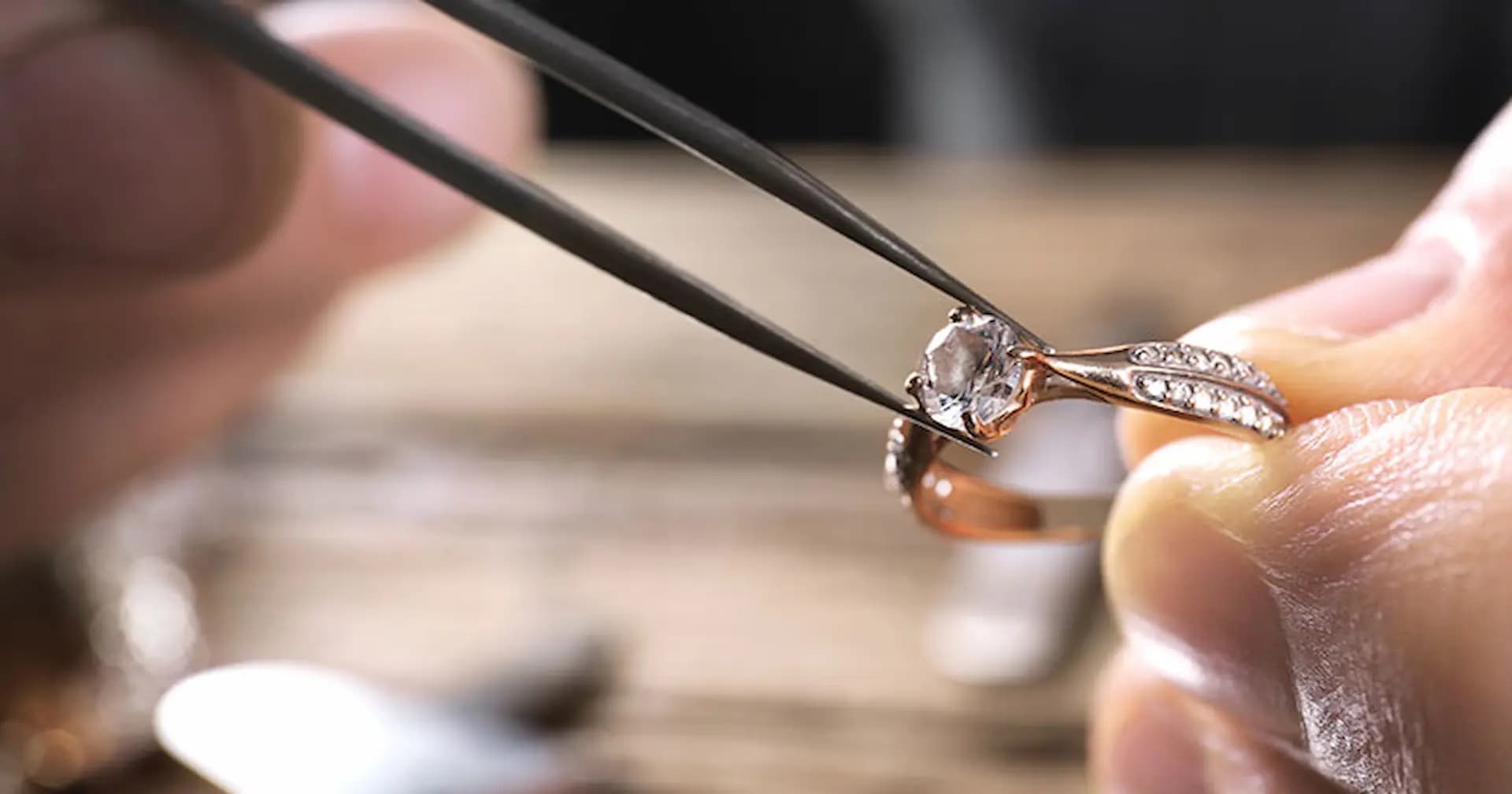
Immediate Answer Block Handcrafted diamond jewelry authentication requires verification of hallmarks, metal purity, stone certification, and craftsmanship quality through systematic examination and professional assessment. Whether you’re buying, selling, or sourcing high-value pieces, understanding authentication fundamentals protects against counterfeits and ensures fair market value. The fastest path forward is visual inspection combined with third-party certification review, followed by professional lab analysis if needed. Our team can guide you through intake, evaluation, and next steps—typically within 24 hours of submission. Quick Decision Snapshot This content is educational market guidance and does not constitute financial or investment advice. What Actually Drives Value and Demand Handcrafted diamond jewelry commands premium pricing because authentic pieces retain provenance, material integrity, and designer heritage that counterfeits cannot sustain. Real demand in the US market centers on verified designer pieces (Cartier, Tiffany, Bvlgari) with intact original documentation, combined with certified stone specifications that third-party labs confirm. Reality check: Many sellers overestimate jewelry value because they confuse retail MSRP with secondary market pricing. A $12,500 designer bracelet at retail typically trades between $6,000–$9,000 depending on condition, certification status, and regional demand. Buyer confidence directly correlates to authentication rigor. Example: A Cartier Love bracelet in 18K yellow gold with original …
 Jewelry
How to Spot Fake Cuban Link Chains: The Complete Authentication Guide
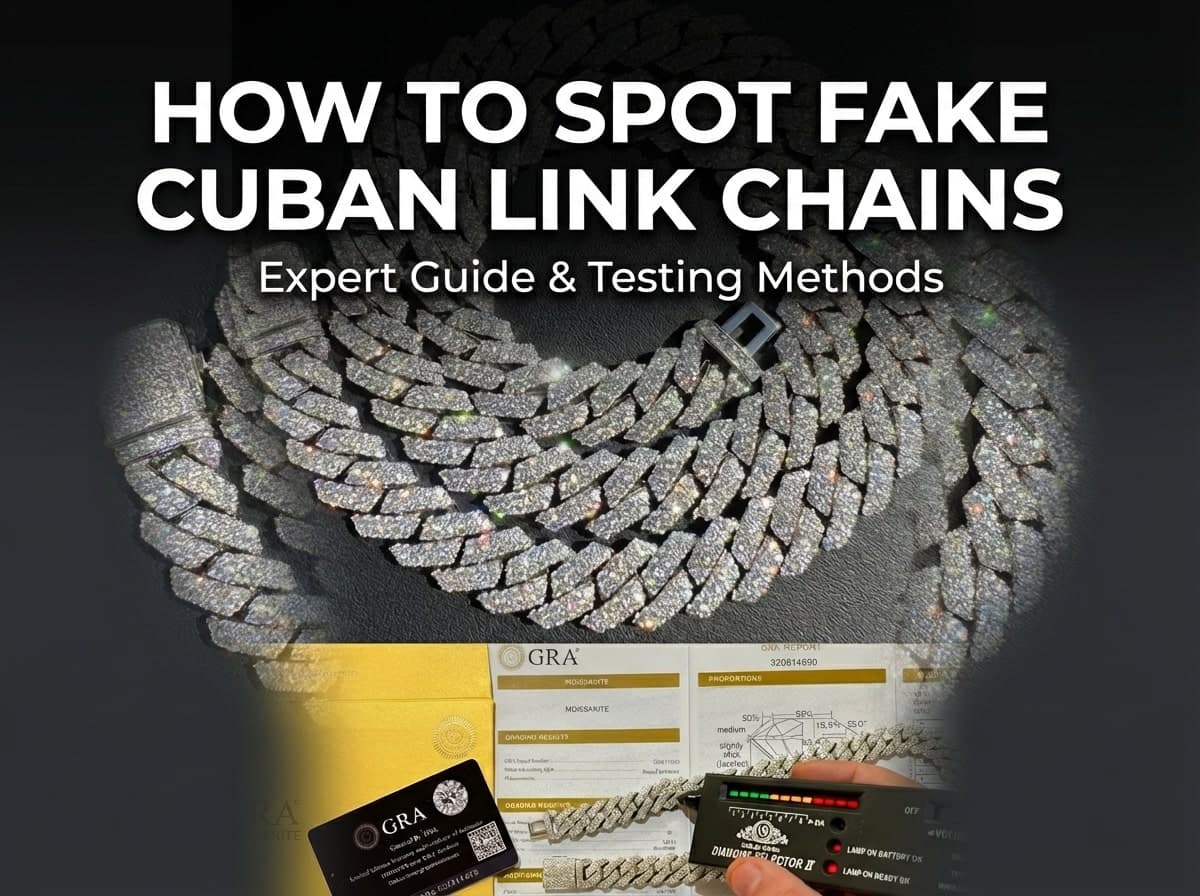
Cuban link chains sit in that sweet spot between street status and real luxury. That also makes them one of the most faked jewelry styles on the market. From flea markets to Instagram “boutiques” and even some sketchy mall kiosks, you’ll see “14K Cuban” pieces that are anything but. The good news: you don’t have to be a jeweler to protect yourself. If you know what to look at, what to feel, and what to question, you can avoid 90% of bad deals before you ever swiped your card. Think of this guide as a systematic approach to authentication. The most successful fake-spotters combine visual inspection, tactile experience, and seller verification into a single decision-making process that takes less than five minutes. Over the past decade, counterfeiting has become remarkably sophisticated—but so has detection when you know where to focus. Visual Inspection – Links, Edges, and Overall Finish Start with the simplest tool you have: your eyes in good light. Put the chain under bright natural light or a strong lamp and really look at it—not just from arm’s length, but up close where you can see individual link details. On a real Cuban link, the links look like they belong together. Each link transitions smoothly …
 Jewelry
How to Choose the Perfect Cuban Link Chain for Your Body Type and Style (2025 Guide)
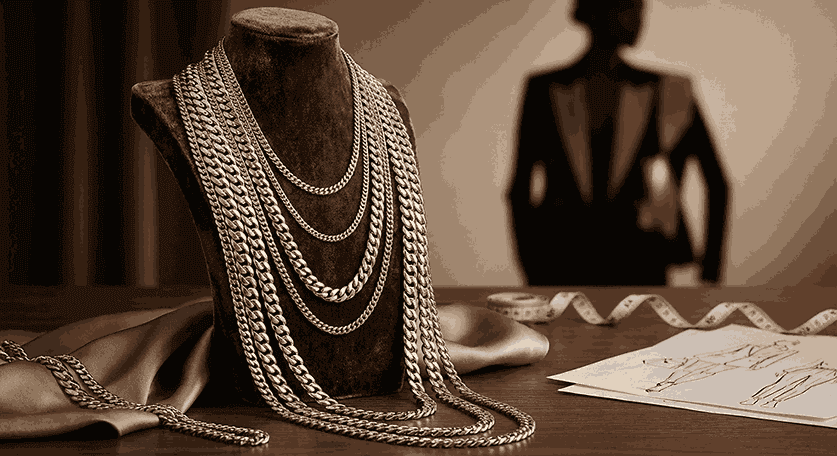
Cuban link chains remain the most coveted jewelry piece across luxury, streetwear, and business fashion—their interlocking oval links create an unmistakable presence that commands attention from every angle. Yet choosing the perfect Cuban link isn’t just about price or thickness; it’s about matching chain dimensions to your body proportions, personal style, and lifestyle needs. When done correctly, a Cuban link transforms your entire aesthetic; when chosen poorly, it can overwhelm your frame or sit awkwardly on your neckline. This comprehensive 2025 guide reveals the exact methodology that professional stylists and jewelry experts use to match Cuban chains to individual body types, fashion contexts, and occasions. Key Takeaways Understanding Body Proportions Height and Chain Length Your height directly influences how chain length should sit on your torso, though the relationship isn’t one-to-one. Average-height men (5’8″–6’0″) typically thrive with 22–24 inch chains that rest just below the collarbone without appearing too short or excessively long. Taller men (6’1″+) should consider 24–28 inch lengths to maintain visual proportion—a shorter chain on a tall frame can look cramped and inadvertently shorten the appearance of your neckline. Conversely, shorter men (under 5’6″) often excel with 18–20 inch chains that avoid overwhelming their frame or creating a bottom-heavy …
 Jewelry
Cuban Link Chains Explained: Style, Weight, and How to Spot Quality
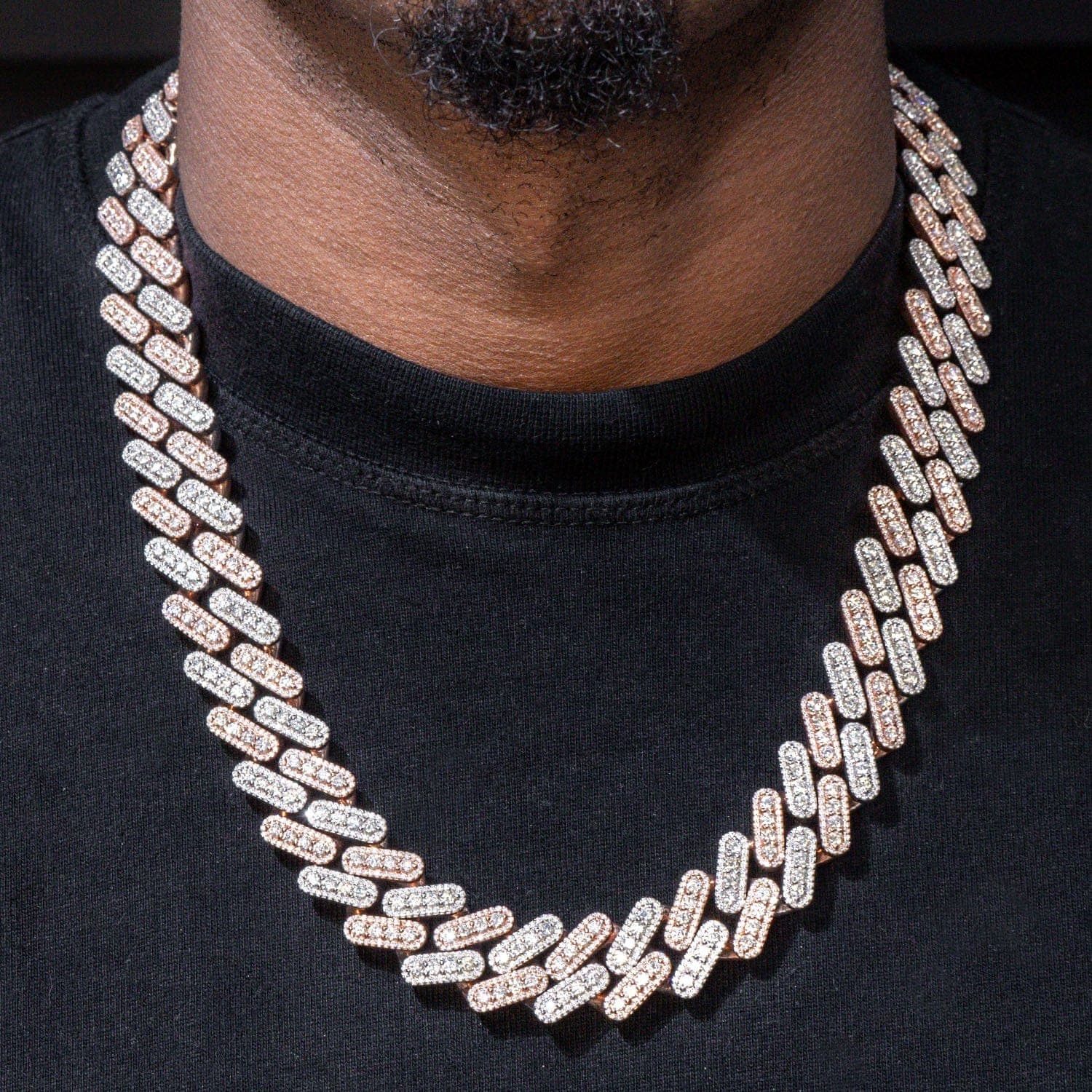
Cuban link chains have evolved from underground hip-hop accessories to mainstream luxury symbols, representing confidence, success, and timeless style. Whether you’re considering your first real Cuban link chain or expanding your collection, understanding the nuances of style, materials, and craftsmanship is essential for making an informed investment. This comprehensive guide breaks down everything you need to know about these iconic pieces, from their cultural origins to modern styling techniques. Background & Style Evolution From Hip-Hop Culture to Luxury Status Symbol The Cuban link chain’s journey began in the vibrant streets of 1970s Miami, where it emerged as a powerful symbol within the burgeoning hip-hop community. DJ Kool Herc, widely credited as the father of hip-hop, popularized these chains during his legendary Bronx block parties in 1973, establishing them as essential elements of the culture. The chains represented more than jewelry—they symbolized success, strength, and cultural identity within the community. During the 1980s and 1990s, influential artists like LL Cool J, The Notorious B.I.G., Jay-Z, and Tupac Shakur elevated Cuban links from neighborhood accessories to global fashion statements. These pioneers transformed the chains into symbols of achievement and luxury, cementing their place in popular culture. Style Evolution: Classic to Contemporary Variations The original Cuban link design …
 Jewelry
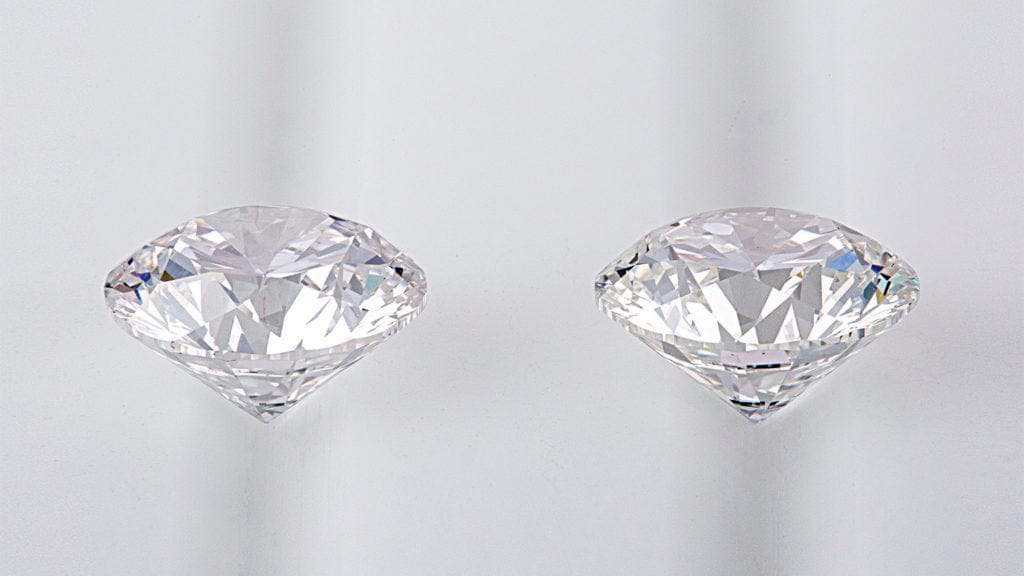
Real vs Lab-Grown Diamonds: What Should You Choose in 2025
When shopping for an engagement ring or fine jewelry in 2025, you’re faced with more choices than ever before. The diamond landscape has evolved dramatically, with lab-grown diamonds now capturing significant market share alongside traditional natural diamonds. This comprehensive guide examines the fundamental differences, costs, ethical considerations, and practical factors to help you make an informed decision based on your values, budget, and lifestyle. Whether you’re drawn to the billion-year journey of natural diamonds or the innovative technology behind lab-grown alternatives, understanding the nuances of each option is crucial for making a choice you’ll cherish for a lifetime. What’s the Difference? Chemical and Physical Properties The most important fact to understand is that lab-grown diamonds and natural diamonds are chemically, physically, and optically identical. Both consist of pure carbon atoms arranged in the same crystal lattice structure, scoring a perfect 10 on the Mohs hardness scale. This means they exhibit the same brilliance, fire, and scintillation that make diamonds so captivating. To the naked eye, even experienced jewelers cannot distinguish between natural and lab-grown diamonds. Both types can achieve exceptional clarity, color grades, and cut quality. The Federal Trade Commission has recognized lab-grown diamonds as “real diamonds” since 2018, requiring only that …