Condition determines whether a Submariner holds value or becomes a service project. A buyer needs to understand exactly what to inspect, how to grade what they see, and what trade-offs condition creates for price, authenticity risk, and long-term ownership. This guide walks you through the US secondary-market evaluation framework—the same checklist professionals use to price steel and precious-metal Submariners accurately.
Quick Decision Snapshot
Before diving into detailed inspection, here’s what separates a smart purchase from a costly mistake:
- Reference number first: A 16610 (transition model) values differently than a 114060 (modern steel); location between the lugs at 6 o’clock confirms your exact model and production era.
- Polishing history reveals real wear: Sharp, defined case edges and lug chamfers signal minimal polishing; rounded or soft edges mean repeated refinishing and reduced desirability.
- Original dial and hands outweigh case: A refinished dial or replacement hands drop value more than light case scratches; verify printing quality, font accuracy, and coronet positioning.
- Service records are proof of care: Documentation of maintenance, parts replaced, and timing performance reduces uncertainty and supports buyer confidence in the secondary market.
- Crown, crystal, and bezel condition lock in functionality: Worn screw-down crowns, scratched crystals, and faded ceramic bezels require immediate service—factor this into your offered price.
- Movement cleanliness and jewel count validate authenticity: Open the case-back; proper Rolex finishing, correct caliber, and service markings confirm legitimacy and current reliability.
- Water resistance status is non-negotiable for a diver: Compromised seals require professional attention; confirm current status before agreeing to terms.
This is educational market guidance, not financial or investment advice.
What Actually Drives Value and Demand
Condition and originality separate a $9,000 daily wearer from a $16,000+ collectible; minor differences in reference, polishing, and documentation can shift value by $2,000–$4,000 in today’s US market. In early 2026, steel Submariners typically range from $9,000 to over $20,000 depending on reference, age, and condition grade. A modern 114060 in mint condition commands premium pricing; a vintage 5512 in excellent original condition may exceed that range if service history is documented.
Reality check: Condition alone does not guarantee resale speed or buyer interest. Market demand fluctuates based on reference popularity, steel availability, and collector appetite for specific production years. A well-preserved example will sell faster than the same model in fair condition, but a very rare reference in poor condition may still attract buyers willing to invest in restoration.
The key insight is that condition directly reduces future ownership risk. A worn example means the next buyer inherits uncertainty about past service, hidden damage, and cosmetic repair costs. Buyers in the secondary market pay a premium for clarity and reduced headaches.
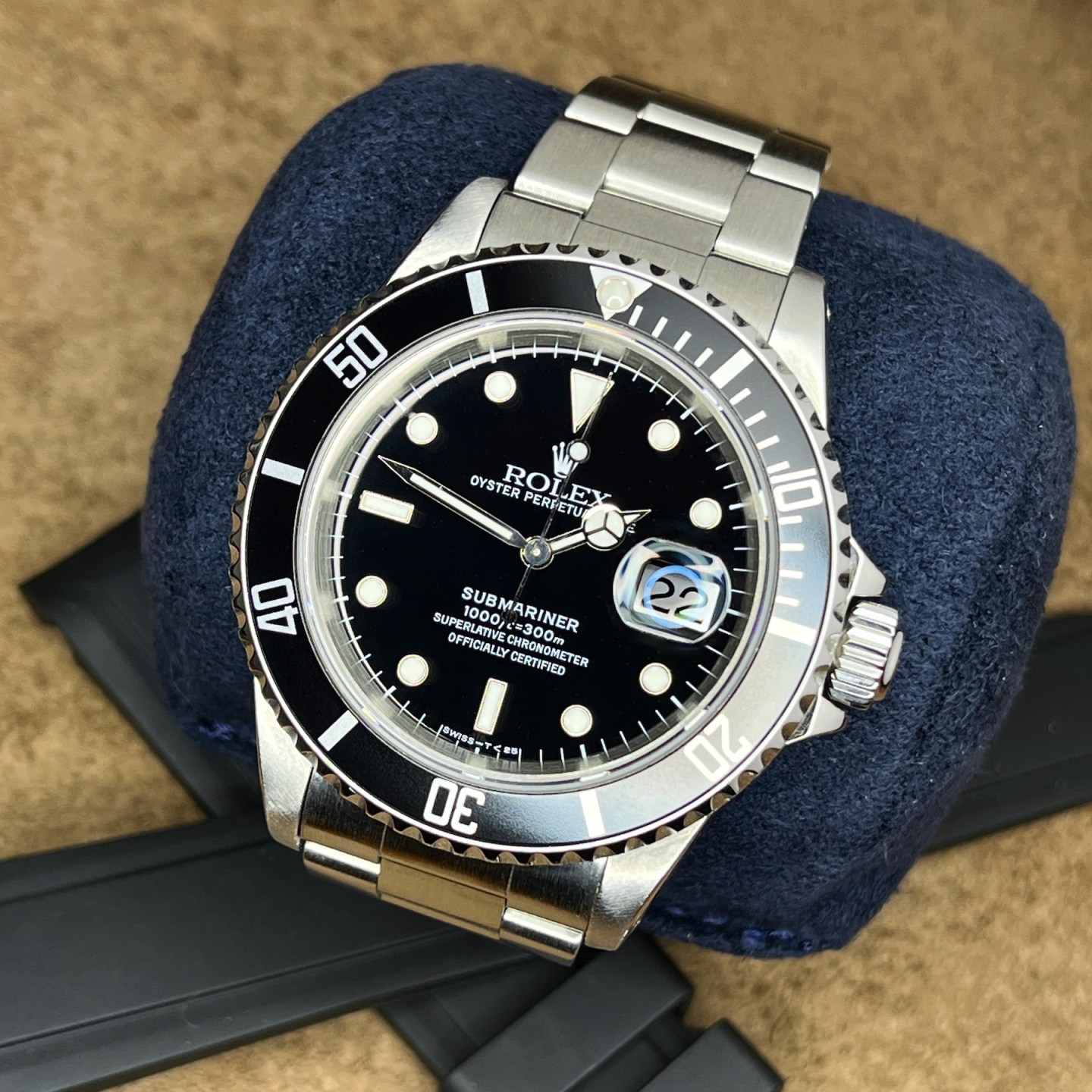
Example: A 2005 Submariner 16610 in excellent condition (light wear, original dial, documented service) typically commands $11,500–$13,500 in the US market. The same reference in fair condition (heavy case wear, faded bezel, unknown service history) may price at $8,500–$10,000—a $3,000 swing driven entirely by documentation and visible use.
Category-Specific Evaluation Framework
For a Rolex Submariner, focus on four pillars: reference number and production era, condition grade, originality and service history, and set completeness.
Evaluating Rolex Submariner Conditions requires a systematic approach to each component:
Reference and Movement Validation Locate the reference number between the lugs at 6 o’clock. Compare against official production timelines to confirm model, caliber (e.g., 3135 for modern steel), and estimated manufacture year. A mismatch signals risk—either incorrect documentation or counterfeit components.
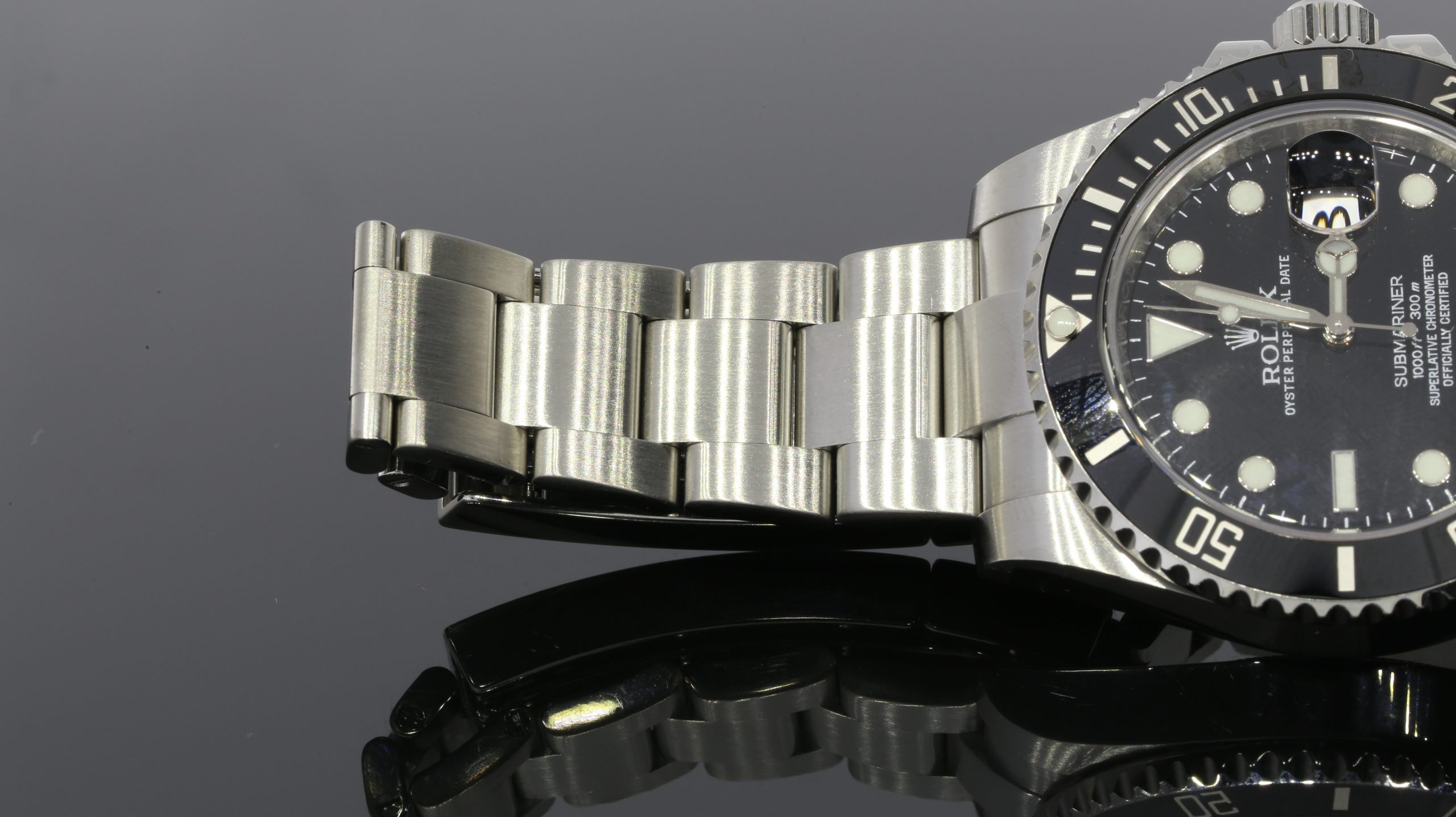
Case and Bracelet Assessment Inspect case edges and lug chamfers under loupe (10x magnification). Sharp, defined angles indicate minimal polishing; rounded, soft edges mean repeated refinishing reduces collector appeal. Check for deep scratches, dents, or damage on mid-cases and lugs. For bracelets, assess link stretch, end-link gaps, and bracelet code stamps for authenticity and era consistency.
Dial, Hands, and Bezel Inspection Examine dial printing (fonts, coronet position, depth rating accuracy). Signs of refinishing include uneven lume, blurry printing, or improper aging patina. Original hands should match lume consistency and color. For bezel, ceramic inserts retain condition better than aluminum; check for fading, scratches, and insert rotation smoothness.
Crown, Crystal, and Gaskets Check screw-down crown logo depth, threading quality, and rotation function. Worn or stripped crowns require service. Crystal surface should show minimal scratches (polishing removes them); cracks or chips require replacement. Test crown security and verify gasket integrity through water-resistance confirmation.
Step-by-step inspection workflow:
- Request high-resolution photos (case, dial, bezel, crown, bracelet, case-back) and service documentation before scheduling in-person inspection.
- Verify reference number, serial number, and movement caliber against Rolex production databases and official specifications.
- Inspect case and bracelet under 10x loupe, documenting polishing history, scratches, and alignment of case-back markings.
- Examine dial condition, printing clarity, lume consistency, and hand color; compare against production-year standards for the reference.
- Test crown function (screw-down operation, logo impression), crystal clarity, and bezel rotation; document any binding or resistance.
- Request movement inspection (if seller permits); confirm correct caliber, jewel count, service markings, and cleanliness.
- Obtain current water-resistance test results or schedule pressure testing before final purchase commitment.
- Cross-reference service history (Rolex warranty cards, independent watchmaker receipts) to identify part replacements and maintenance gaps.
Pricing Mechanics and Trade-Offs
Market pricing reflects three variables: condition grade, documentation completeness, and seller urgency. The table below shows how these factors typically interact in the US secondary market:
| Condition Grade | Typical Price Range (Steel 114060) | Service Likely? | Documentation Impact | Resale Speed |
|---|---|---|---|---|
| Mint (9.5–10) | $15,500–$17,500 | No | +$500–$1,000 | 2–4 weeks |
| Excellent (8.5–9) | $12,500–$15,000 | Minor | +$300–$700 | 3–6 weeks |
| Super Excellent (8–8.5) | $11,000–$13,500 | Routine | +$200–$400 | 4–8 weeks |
| Very Good (7–8) | $9,500–$11,500 | Within 12 mo. | Neutral | 6–10 weeks |
| Fair (5–7) | $7,500–$9,500 | Urgent | -$300–$800 | 8–16 weeks |
Why this matters: A seller offering a watch in excellent condition with full box, papers, and documented recent service can justify a $2,000–$3,000 premium over the same model lacking documentation. Conversely, a buyer willing to accept fair condition and visible wear gains negotiating power—but must budget for immediate service ($800–$2,500 depending on repair scope) and carry resale uncertainty.
Trade-off logic is straightforward: – Speed vs. margin: Excellent condition + full set moves in weeks; fair condition requires weeks longer and lower price. – Risk vs. price: Documented service history removes guesswork; missing history means future surprises cost money or buyer trust. – Effort vs. value: An unpolished case with original finishing commands premium; refinished cases require acceptance of cosmetic reduction for lower acquisition cost.
Example: You locate a 2010 Submariner 116610 priced at $11,200 (fair condition, light dial scuff, unknown service history). The same reference in excellent condition, full set, documented 2024 service, sells for $13,800 in your market. The $2,600 premium reflects reduced future service risk and faster resale potential. If you plan to own 3+ years, the excellent example is the smarter purchase; if you need to flip quickly, the fair condition piece at a lower price may work if you absorb service cost upfront.
Risk Control and Authentication Workflow
Authenticate before negotiating. A counterfeit or frankenfone (mixed genuine and non-original parts) can cost you thousands and create legal liability.
- Serial number verification: Contact a Rolex-authorized dealer or use third-party databases (Rolex serial number checker tools) to confirm production year matches the reference and dial condition.
- Movement inspection and caliber confirmation: Open the case-back (or request watchmaker inspection); verify correct caliber for the reference, proper jewel count (e.g., 31 jewels for 3135), and Rolex-quality movement finishing.
- Case-back engravings and laser codes: Modern Submariners include laser-engraved case-back details. Check font consistency, depth, and alignment against production standards; inconsistencies signal counterfeit or parts-swapped examples.
- Crown logo detail and threading: Genuine Rolex crowns feature precise logo depth, consistent threading, and screw-down smoothness. Worn examples show genuine aging; poorly executed logos suggest non-original parts.
- Dial printing and lume consistency: Counterfeit dials often exhibit fuzzy printing, incorrect fonts, or lume color mismatches. Compare your watch’s dial against production-era references; Rolex-printed dials maintain consistent quality across printing, position, and aging.
- Magnetic resistance and timekeeping: A genuine Rolex movement resists external magnetic interference and maintains COSC chronometer standards (±2 seconds/day under normal conditions). Test accuracy over 24 hours in neutral conditions.
Reality check: Authentication is not a guarantee. Even professional dealers sometimes encounter sophisticated counterfeits or examples with mixed-origin parts. If you cannot verify a watch with full confidence, have an independent certified watchmaker conduct a detailed inspection before committing funds.

Action Plan by Intent (Sell / Buy / Source / Appraise)
Your next step depends on your role: Are you buying for personal use, sourcing for resale, seeking an appraisal for insurance, or liquidating inventory?
| Your Situation | Best Entry Point | Timeline | Required First Step |
|---|---|---|---|
| Personal buyer (1 watch) | In-person inspection + documentation review | 2–4 weeks | Submit reference, condition photos, and asking price for preliminary feedback |
| Reseller/dealer (bulk or ongoing sourcing) | Portfolio review + LOI negotiation | 3–8 weeks | Provide inventory list, condition grades, and pricing expectations |
| Insurance appraisal (estate, loan collateral) | Professional certification + market-rate valuation | 1–2 weeks | Submit provenance documents and condition photographic evidence |
| Liquidation (urgent sale) | Quick-offer program or consignment | 1–3 weeks | Confirm reference, current condition, and acceptable price floor |
Five-step action plan for buying:
- Identify the reference and research comparables: Use production-year, dial variant, and bracelet style to find 3–5 recent sales for your target model; average price and condition grade sets your budget.
- Request comprehensive documentation: Demand photos (case, dial, bezel, crown, bracelet, case-back), service records (warranty cards, watchmaker receipts), and original box/papers status before scheduling inspection.
- Conduct live inspection or third-party verification: In-person examination under loupe or independent watchmaker inspection confirms authenticity, movement caliber, and condition grade accuracy.
- Verify serial number and movement: Cross-check serial against Rolex production database; confirm caliber and jewel count match the reference and year.
- Negotiate final price based on condition + documentation: Factor in service costs, resale risk, and time-to-liquidate; anchor your offer to comparables and deduct for missing pieces or documentation gaps.
Reality check: Market prices shift based on seasonal demand, steel availability, and collector appetite for specific years. A reference that moves quickly in Q1 may stall in Q3. Timing your purchase around buyer interest, not just condition, affects your long-term value retention.
Bullet checklist: What we need to move fast:
- Rolex Submariner reference number (e.g., 116610, 16610) and estimated production year
- Current condition grade (mint, excellent, very good, fair, or poor)
- Box and papers (original Rolex documentation status)
- Service history documentation (Rolex warranty cards, independent watchmaker receipts, most recent service date)
- Bracelet and case completeness (all end links, original or replacement)
- Watch location and seller availability (local pickup, shipped, or appointment-based)
Example: You're sourcing a pre-owned Submariner for a buyer who wants excellent condition, original dial, and documented recent service. You locate a 2015 model 114060 priced at $12,800. Service records show professional maintenance in 2024; all original parts present; light bracelet wear consistent with age. Condition grades excellent (8.5). You verify authenticity via serial check, confirm movement caliber, and negotiate down to $12,400 (leveraging service cost and bracelet wear). The buyer takes delivery in 10 days. Total process: 3 weeks, reduced acquisition risk, clear margin.
FAQ
1. What’s the difference between a mint Submariner and one in excellent condition, and does it matter for resale? Mint condition (9.5–9.7 grade) shows minimal wear visible only under magnification; excellent (8.5–9) shows light wear visible to the naked eye. Mint examples command $1,500–$3,000 premiums and sell 2–4 weeks faster. For personal use, excellent is practical; for resale, mint preserves value better.
2. How much does a service history affect Submariner pricing? Documented service records add $300–$800 to market value by reducing buyer uncertainty about hidden damage or worn-out components. Missing history forces buyers to budget for immediate service ($800–$2,500) and carry resale risk; prices typically drop $500–$1,500 as a result.
3. Can a polished Submariner still hold value, or is it a deal-breaker? Light to moderate polishing is acceptable and does not eliminate value—but sharp, original case edges command 10–15% premiums over polished examples. Heavy polishing that rounds case lines reduces appeal to collectors and typically lowers prices by $1,000–$2,000 depending on reference.
4. What’s the fastest way to authenticate a used Submariner I found online? Cross-check the serial number against Rolex production databases, request movement inspection photos (verify caliber and jewel count), and compare dial printing against production-era standards. If any detail is unclear, hire an independent certified watchmaker for in-person verification (typically $100–$300 fee).
5. Are aftermarket bands or bracelets okay, or does that hurt resale value? Original Rolex bracelets retain better value than aftermarket straps; a watch with non-original bracelet typically prices $500–$1,500 lower. If the original band is lost or damaged, document the replacement; buyers appreciate transparency and may negotiate accordingly.
6. How does water resistance testing affect my purchase decision? Water resistance confirmation reduces ownership risk and protects against surprise service costs. If a seller cannot provide current test results (pressure test results from a watchmaker), budget $400–$600 for testing and seal replacement post-purchase. A watch with confirmed current water resistance typically commands $300–$600 premium.
7. What’s the market impact of a Submariner with a replaced dial or hands? Replacement dials or hands reduce value by $1,000–$3,000 depending on reference rarity and collector demand for originality. Modern steel models tolerate replacement better than vintage references; vintage collectors strongly prefer original dials. Transparency about replacements is essential.
8. How do I evaluate a Submariner’s movement without opening the case myself? Request the seller provide movement inspection photos from a watchmaker; verify caliber, jewel count, and service markings match the reference. Alternatively, commit to independent verification before final payment; most watchmakers charge $100–$200 for inspection and provide a detailed report.
9. What’s the typical timeline for selling a pre-owned Submariner, and how does condition affect it? Mint and excellent condition examples typically sell within 4–6 weeks; very good condition within 6–10 weeks; fair condition within 8–16 weeks. Strong documentation and original box/papers accelerate sales by 2–3 weeks across all condition grades.
10. Are there seasonal price swings for Submariners in the US secondary market? Yes. Q1 typically sees higher demand and tighter pricing; summer sees softer demand and buyer leverage. Late Q4 (holiday gift-giving and year-end bonuses) creates brief demand spikes. Condition and documentation remain constant factors; reference popularity and steel availability drive seasonal shifts of 5–10%.