Pre-owned Rolex watches typically trade at 20–40% below retail, yet configuration and market condition determine whether you're acquiring retained value or inheriting someone else's depreciation. This guide walks US buyers
Before purchasing a pre-owned Rolex, you need to verify three things: that the watch is authentic, that it's mechanically sound, and that its price reflects its actual condition and market
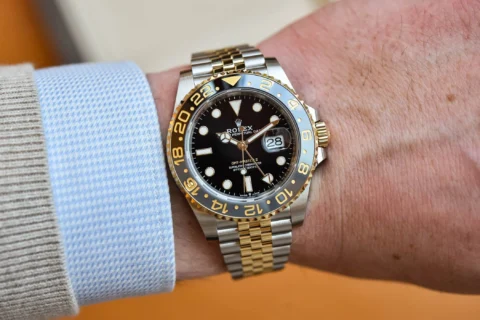
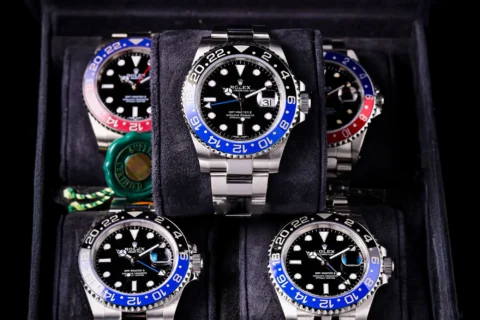
The Rolex GMT-Master II remains one of the most sought-after luxury watches in the US secondary market, with retail prices now at $12,000 for steel models and secondary-market asking prices
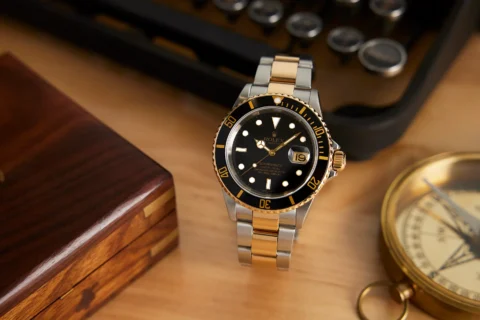
Condition determines whether a Submariner holds value or becomes a service project. A buyer needs to understand exactly what to inspect, how to grade what they see, and what trade-offs
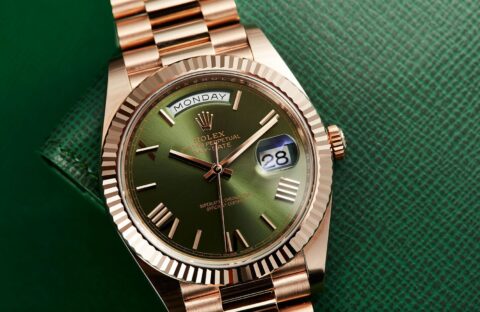
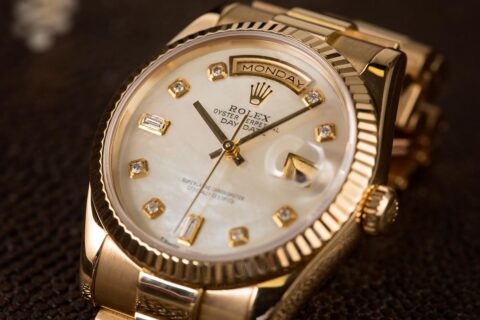
Immediate Answer Block The Rolex Day-Date secondary market in the US is currently stable and rational after three years of correction from pandemic-era peaks. Most examples trade between 15–17% above
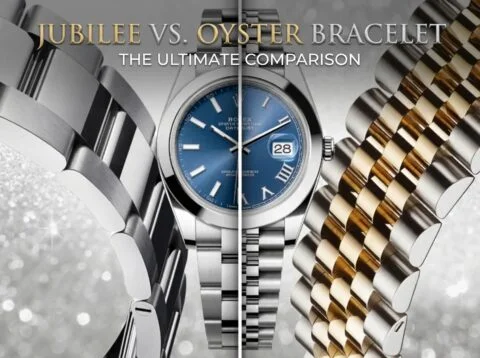
Key Takeaways: Design Philosophy & Origins The Oyster (1930s): The Tool Watch Standard Rolex's Oyster bracelet emerged in the 1930s as a masterpiece of functional simplicity. The original three-link design
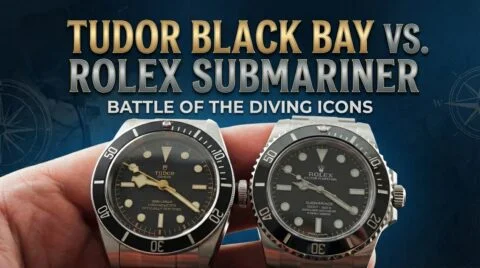
Key Takeaways: The Heritage Connection: Brothers, Not Rivals Hans Wilsdorf's Vision Tudor is not a "knock-off" or a competitor trying to copy Rolex. It was created by Hans Wilsdorf himself—the founder
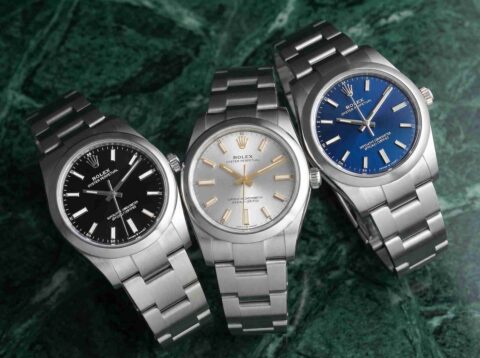
The Rolex Oyster Perpetual represents one of horology's greatest paradoxes—a watch designed as the brand's most accessible timepiece has become one of the hardest to buy at retail and one of the most absurdly
The Rolex Day-Date occupies a unique position in luxury horology—it's simultaneously the watch that defines prestige itself and the watch that confuses newcomers most profoundly. At $31,350–$80,000+ MSRP (depending on material and
The Rolex GMT-Master II has transcended its original purpose as an aviation tool to become one of the most visually distinctive and investment-worthy watches in modern horology. Unlike the subtle