Pre-owned Rolex watches typically trade at 20–40% below retail, yet configuration and market condition determine whether you’re acquiring retained value or inheriting someone else’s depreciation. This guide walks US buyers through the pricing mechanics and configuration factors that directly impact resale liquidity, helping you structure acquisitions that hold or appreciate rather than stall. Your first step is matching model choice, condition tier, and fair-market pricing to your timeline and risk tolerance—then moving into verification and acquisition.
Quick Decision Snapshot
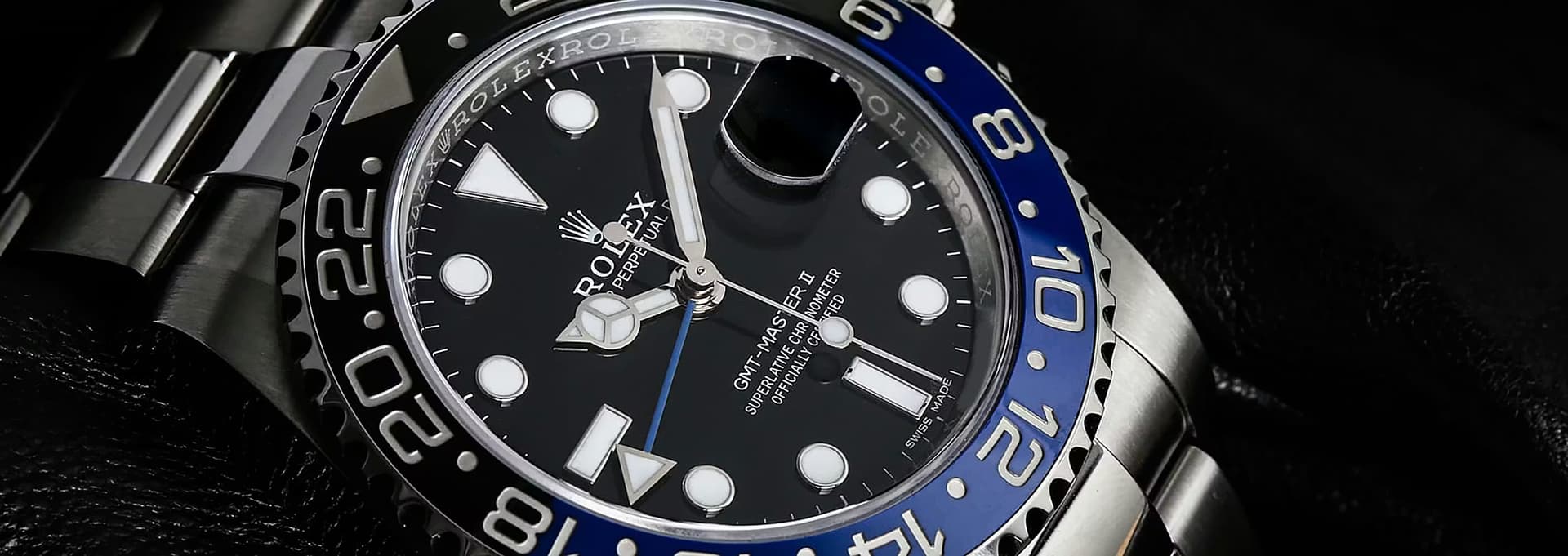
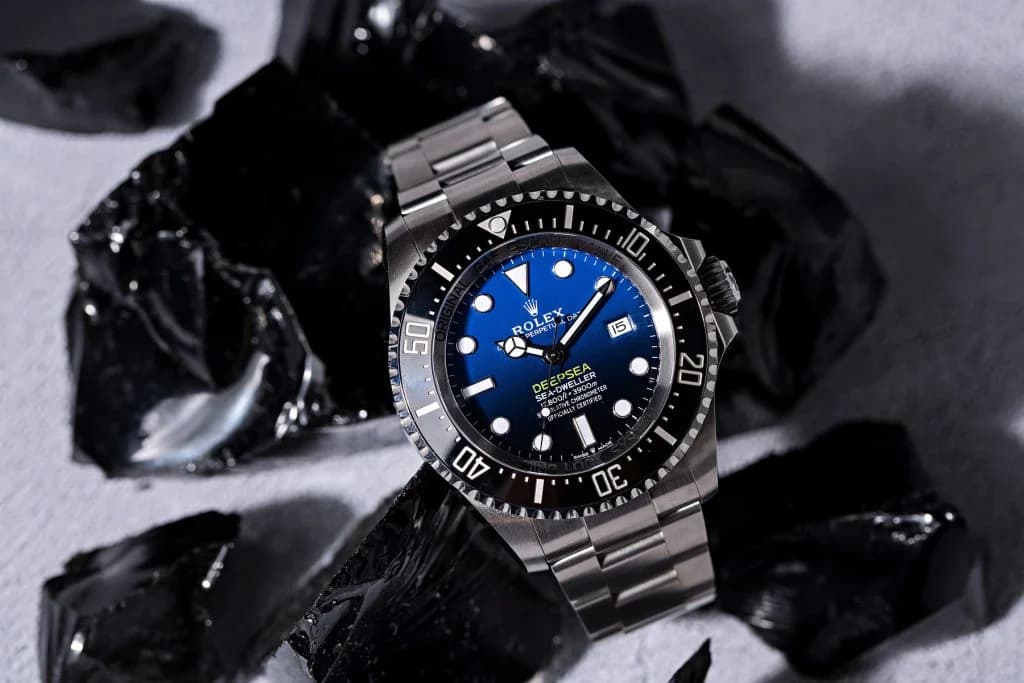
- Steel sports models (Submariner, GMT-Master, Daytona) command the strongest US secondary-market demand and typically hold or appreciate, especially vintage examples
- Condition and completeness (original dial, hands, box, papers) drive value premiums of 15–40% or more depending on configuration
- Pre-owned pricing ranges from 60% of retail (heavy wear, missing papers) to 100%+ of retail (mint condition, discontinued scarcity models)
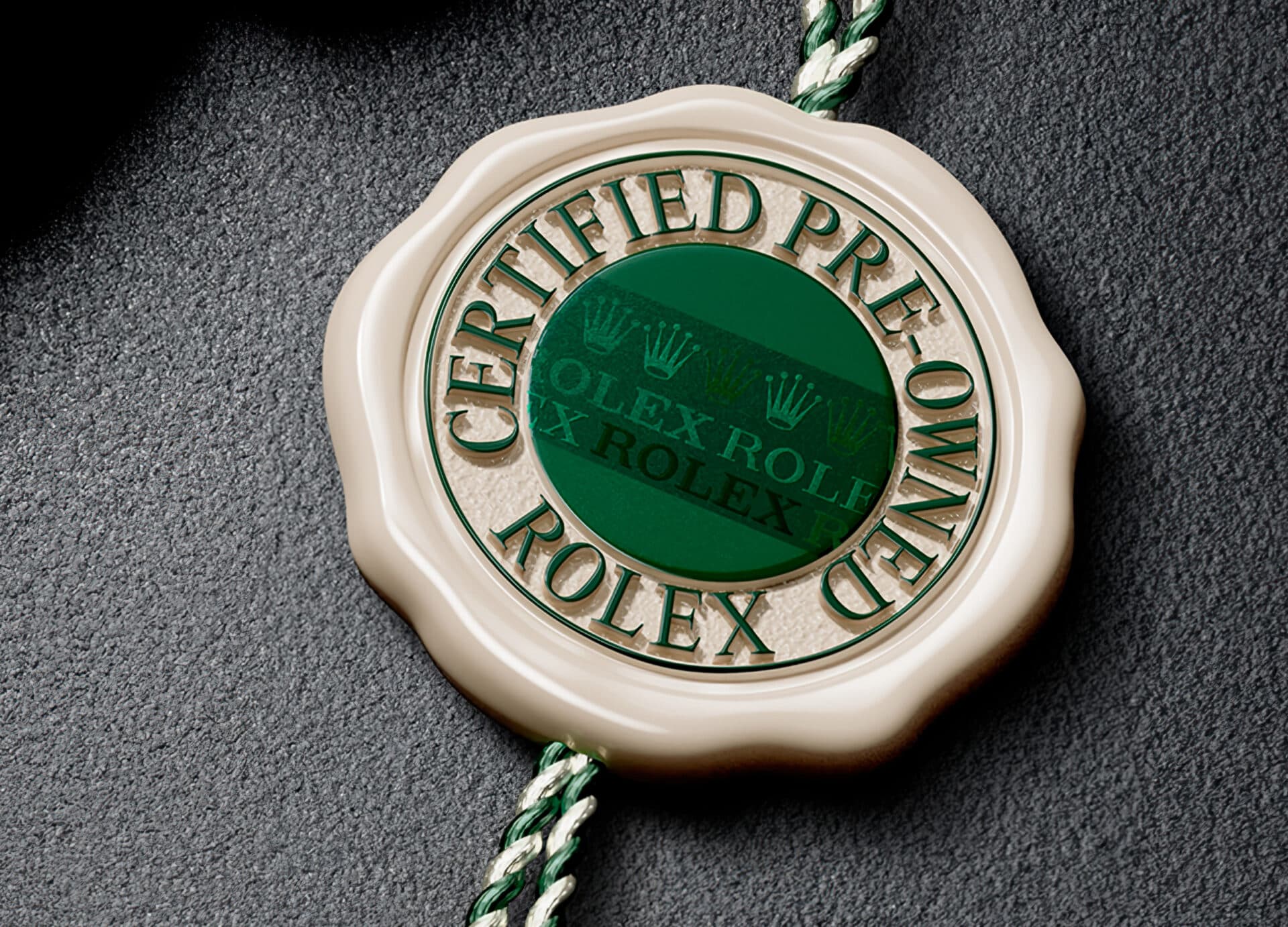
- Certification and authentication matter more than brand authorization; Rolex CPO watches carry a 2-year international guarantee, but quality independent dealers offer broader selection
- Market cycles are real: research current demand for your target reference before committing; some models spike then stabilize at higher levels
This is educational market guidance, not financial advice. Outcomes depend on condition, authentication, holding period, and buyer demand at time of sale.
What Actually Drives Value and Demand
Configuration—the specific combination of case material, dial, bezel, and production era—is the primary lever separating high-liquidity assets from slower-moving inventory. Vintage references from the 1960s–1980s and discontinued steel sports models typically command the strongest US collector premiums, while gold or heavily polished examples often show narrower resale spreads.
Reality check: Not every pre-owned Rolex appreciates. Models with common configurations, signs of heavy wear, replaced components, or weak collector demand may sell for less than your acquisition cost after fees and holding time. Condition and configuration must align to your timeline.
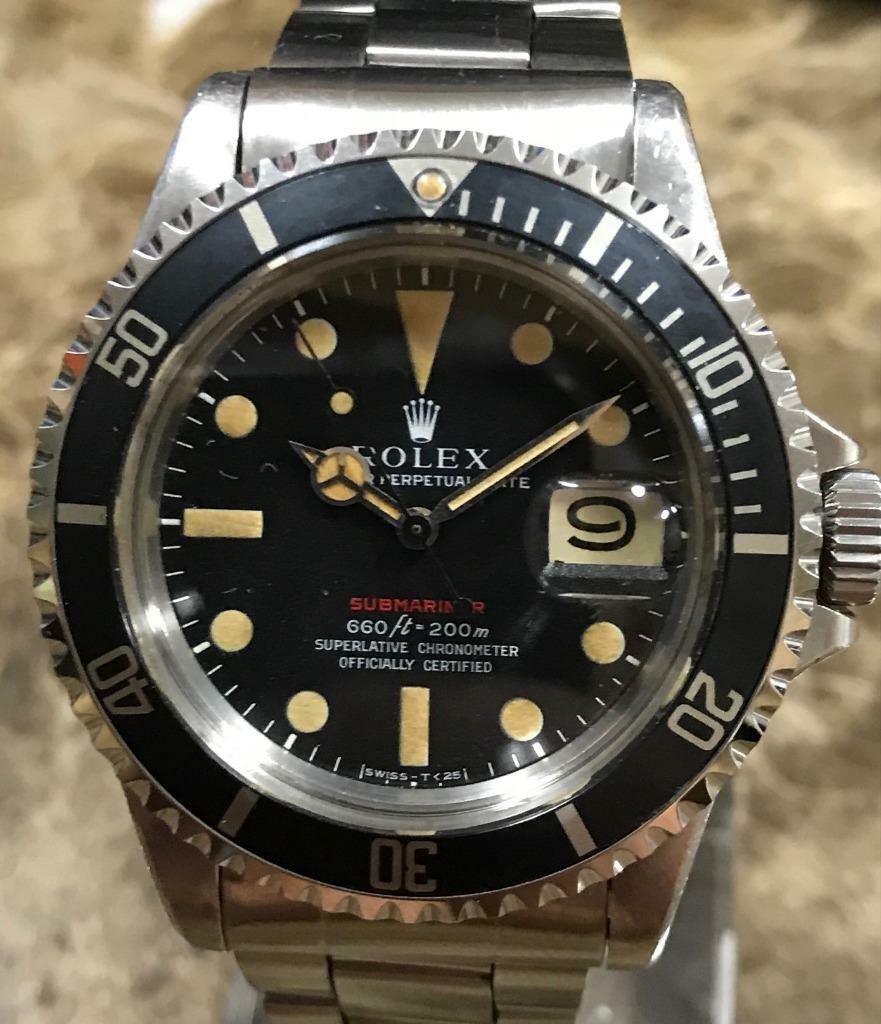
Example: A 1970s Submariner with original dial, hands, case proportions, and complete documentation might trade at $35,000–$45,000, whereas the same reference with replaced dial hands and stripped case could sell for $18,000–$24,000—a $15,000+ gap driven entirely by configuration integrity.
Category-Specific Evaluation Framework
For watches, the valuation stack is reference (model and production year), condition (dial/hands/case/crystal), service history (factory or certified service records), and set completeness (original box, papers, warranty card).
Jewelry assessment depends on metal purity (18K gold weight and fineness), stone specifications (4Cs for diamonds, GIA certification), and condition (wear, polish, rhodium plating).
Bags and apparel demand model/season, material, size, condition markers, and authenticity documentation (serial number, origin cards).
Watch-Specific Evaluation Checklist
- Confirm reference number against the case back and dial; cross-reference production year against Rolex serialization databases to spot mismatches
- Assess dial and hands integrity: original Rolex dials have consistent printing and lume color for their era; faded, relumed, or replaced hands signal reduced value
- Examine case proportions and service history: original case width and height, original crown size, and no signs of over-polishing (which removes metal and changes case proportions)
- Document completeness: original box, outer cardboard, papers, warranty card, and hang tag add 10–25% value premiums depending on model
- Service records: Rolex factory service records or certified watchmaker documentation prove maintenance and reduce risk of internal complications
Pricing Mechanics and Trade-Offs
US secondary-market pricing for pre-owned Rolex reflects three variables: scarcity (production limits and availability), condition tier (unworn, excellent, good, fair), and demand cycle (current collector appetite for that reference).
| Configuration & Condition | US Market Pricing | Liquidity | Typical Holding Period |
|---|---|---|---|
| Vintage steel sports, mint, full set | 80–110% of current retail | High (30–60 days) | 3–10 years for appreciation |
| Vintage steel sports, excellent, papers only | 65–85% of current retail | High (30–90 days) | 3–7 years |
| Current/recent steel sports, excellent, full set | 90–105% of current retail | Very high (7–30 days) | 1–5 years |
| Gold or two-tone, excellent, full set | 60–80% of retail | Moderate (60–120 days) | 5+ years |
| Heavy wear, missing papers/box | 40–60% of retail | Low (90–180+ days) | Speculative |
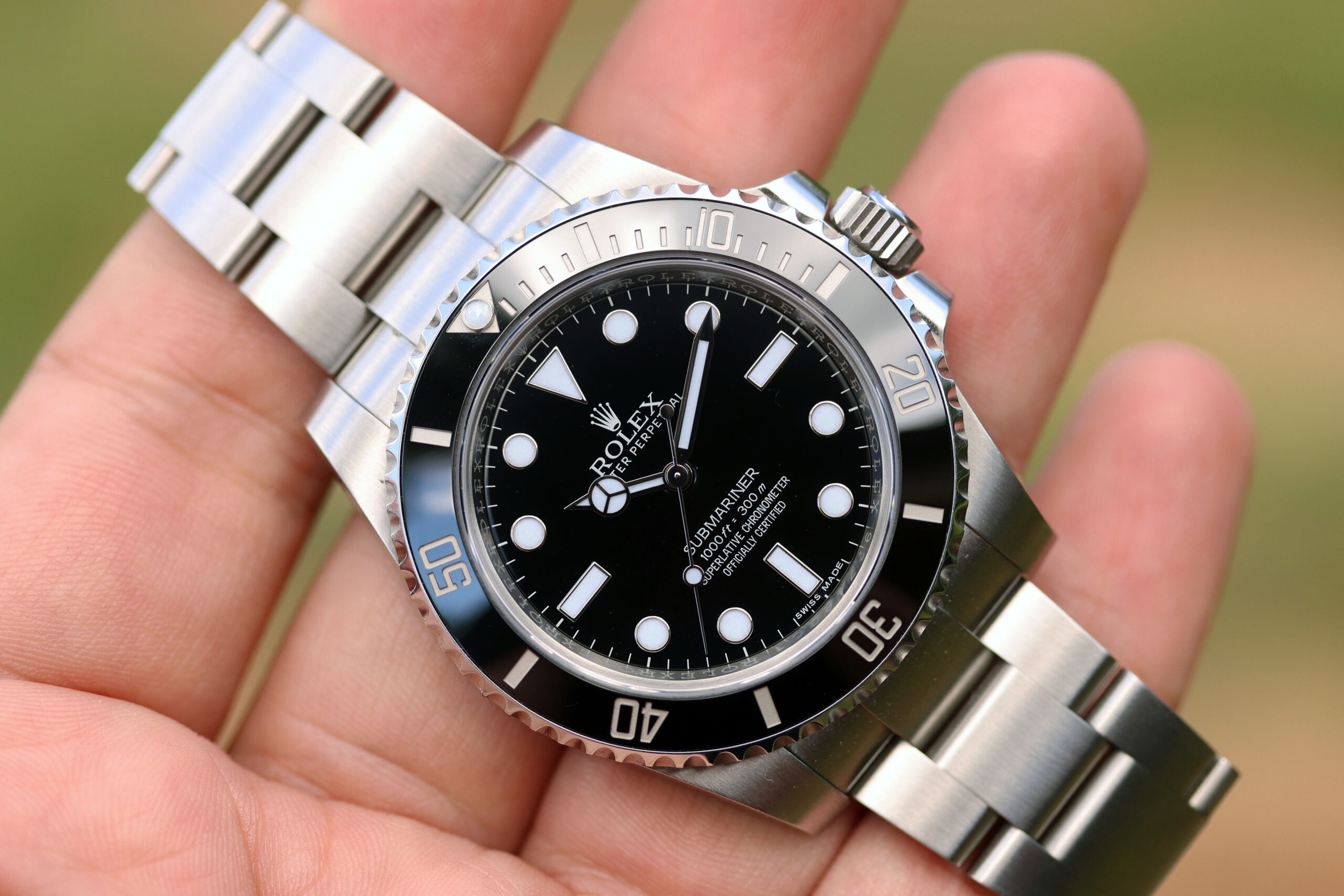
Example: You source a 2015 Submariner No Date in steel, excellent condition, with box and papers at $8,500. Current retail is approximately $10,200. Your entry is at 83% of retail, liquidity is high (likely sale within 60–90 days at $9,200–$9,800), and your margin after acquisition, authentication, and holding costs is typically 8–12%.
Reality check: Margin compression is real in the US pre-owned market. Higher acquisition prices, authentication and appraisal costs, and longer holding periods reduce returns on tighter configurations. Volume dealers thrive; one-off flips often underperform.
Example: A gold Datejust acquired at 70% of retail may take 120–180 days to move, incur $500–$1,200 in certification and holding costs, and ultimately clear at 73–75% of retail—a net loss after fees. Configuration and buyer demand must align before you commit capital.
Risk Control and Authentication Workflow
Counterfeit and replica watches have infiltrated the US secondary market. Structural verification protects against financial and reputational loss.
- Serial and reference verification: Confirm case back reference number matches dial printing and production timeline; cross-reference serial against Rolex serialization databases for era alignment and recall status
- Movement inspection: Open case back (or engage a certified watchmaker) to verify movement finishing, caliber number, and jewel count; movement is hardest component to replicate convincingly
- Dial and hands authenticity: Rolex dials show consistent printing density and lume aging for production year; dial feet attachment, spacing, and font vary by era and are difficult to replicate
- Case finishing and proportions: Original Rolex cases exhibit consistent surface finish and precise proportions; replicas show uneven polishing, misaligned lugs, and poor crown engagement
Preferred verification path: Engage an independent certified watchmaker or third-party authentication service (not affiliated with the seller) for $100–$300. Rolex Certified Pre-Owned (CPO) watches come with factory authentication and a 2-year international guarantee, reducing risk but typically at higher acquisition cost.
Action Plan by Intent
For Buyers Seeking Entry (Acquisition Strategy)
| Buyer Profile | Recommended Configuration | Price Target (% of Retail) | Expected Timeline | Authentication Priority |
|---|---|---|---|---|
| First-time collector, 3+ year hold | Vintage steel sports, excellent condition, papers | 65–80% | 3–6 months to source | Independent watchmaker + movement verify |
| Short-term flip (6–12 months) | Current reference, steel, excellent to mint, full set | 85–95% | 30–60 days to liquidate | Rolex CPO if available; third-party cert |
| Scarcity play (5+ year hold) | Discontinued reference, mint, full original set | 75–95% | Sourcing may take months | Third-party authentication + movement inspection |
| Conservative entry | Recent steel sports, good condition, box/papers | 70–85% | 60–120 day hold | Certified watchmaker inspection |
Structured Acquisition Workflow
- Define your configuration target based on model, material (steel vs. gold), dial variant, and production era; use online price guides and recent completed sales to establish a reasonable entry range (typically 65–85% of current retail for pre-owned)
- Source through multiple channels: authorized dealers (highest authentication confidence, narrow selection), established independent dealers (broader inventory, competitive pricing), and reputable secondary-market platforms (volume, price transparency, higher verification risk)
- Request full documentation: original box, outer sleeve, warranty card, service records, and detailed condition photographs (lume color, dial printing, case polish, crystal clarity)
- Engage independent authentication if acquisition price exceeds $5,000 or configuration is rare; budget $150–$300 for certified watchmaker or third-party authentication service
- Confirm return/escrow policy before remittance; reputable dealers offer 14–30 day inspection periods or escrow arrangements through licensed third parties
- Execute transaction and retain all receipts, authentication reports, and transaction records; these documents add value and credibility if you liquidate later
- Service within 6–12 months if service history is unclear; Rolex service typically costs $400–$800 and preserves long-term value
FAQ
Q: How much cheaper is a pre-owned Rolex than buying new?
Pre-owned Rolex watches typically cost 20–40% less than retail, depending on condition and completeness. Vintage or discontinued models may trade closer to retail if they are in mint condition and sought after by collectors.
Q: Does a pre-owned Rolex with original papers always cost more?
Yes, original box and papers add significant value—typically 10–25% premiums depending on the reference. However, a well-documented watch without papers may still command strong demand if condition is excellent and documentation is clear.
Q: What is Rolex Certified Pre-Owned (CPO), and should I pay for it?
Rolex CPO watches are authenticated, serviced, and backed by a 2-year international Rolex guarantee. CPO carries a premium (typically 10–15% above non-certified pre-owned), but it reduces authentication risk. For first-time buyers, CPO can be worth the cost; for experienced collectors, independent certification may offer better value.
Q: Can I make money flipping pre-owned Rolex watches in the US?
Short-term flips are possible but require expertise. Current-model steel sports watches with high demand may clear at margin within 6–12 months, but fees, holding costs, and timing risk compress returns. Long-term holding (3+ years) typically offers stronger appreciation potential.
Q: What makes a vintage Rolex more valuable than a recent pre-owned one?
Vintage Rolex watches (especially 1960s–1980s references) benefit from scarcity, discontinued status, and strong collector demand. A vintage Submariner from the 1970s may appreciate to $35,000+, compared to its original price of a few hundred dollars. Recent pre-owned watches typically appreciate more slowly unless they are discontinued models or have rare dial variants.
Q: How do I verify a pre-owned Rolex is authentic before I buy?
Confirm the reference number against the dial and case back, check serial number alignment with production era, inspect the movement (if possible), and verify dial printing, lume color, and case proportions. Engage an independent certified watchmaker for $150–$300 if the acquisition price is significant.
Q: What condition tier should I target for investment returns?
For appreciation potential, target excellent to mint condition with original or well-documented service history. Heavily worn pieces or those with replaced components typically appreciate slowly and may not recover acquisition costs over 3–5 years.
Q: Are gold or two-tone Rolex watches good investments?
Gold and two-tone references typically show narrower resale spreads and longer holding periods than steel sports models. They appeal to smaller collector pools and fluctuate with precious-metal prices. Focus on documented rarity or discontinued status if you are considering precious-metal references.
Q: What should I do if I spot a deal that seems too good to be true?
It likely is. Counterfeit and altered watches flood the secondary market. If a reference trades at 50% below market and the seller cannot provide clear documentation or escrow, walk away. Budget $150–$300 for authentication rather than risk a $5,000–$15,000 loss.
Q: Can I resell a pre-owned Rolex I buy in the US?
Yes. Steel sports models liquidate quickly (30–90 days) at established secondary-market dealers or platforms. Gold and vintage references may require longer marketing and niche collector networks. Retain documentation and service records to maximize resale value and speed.