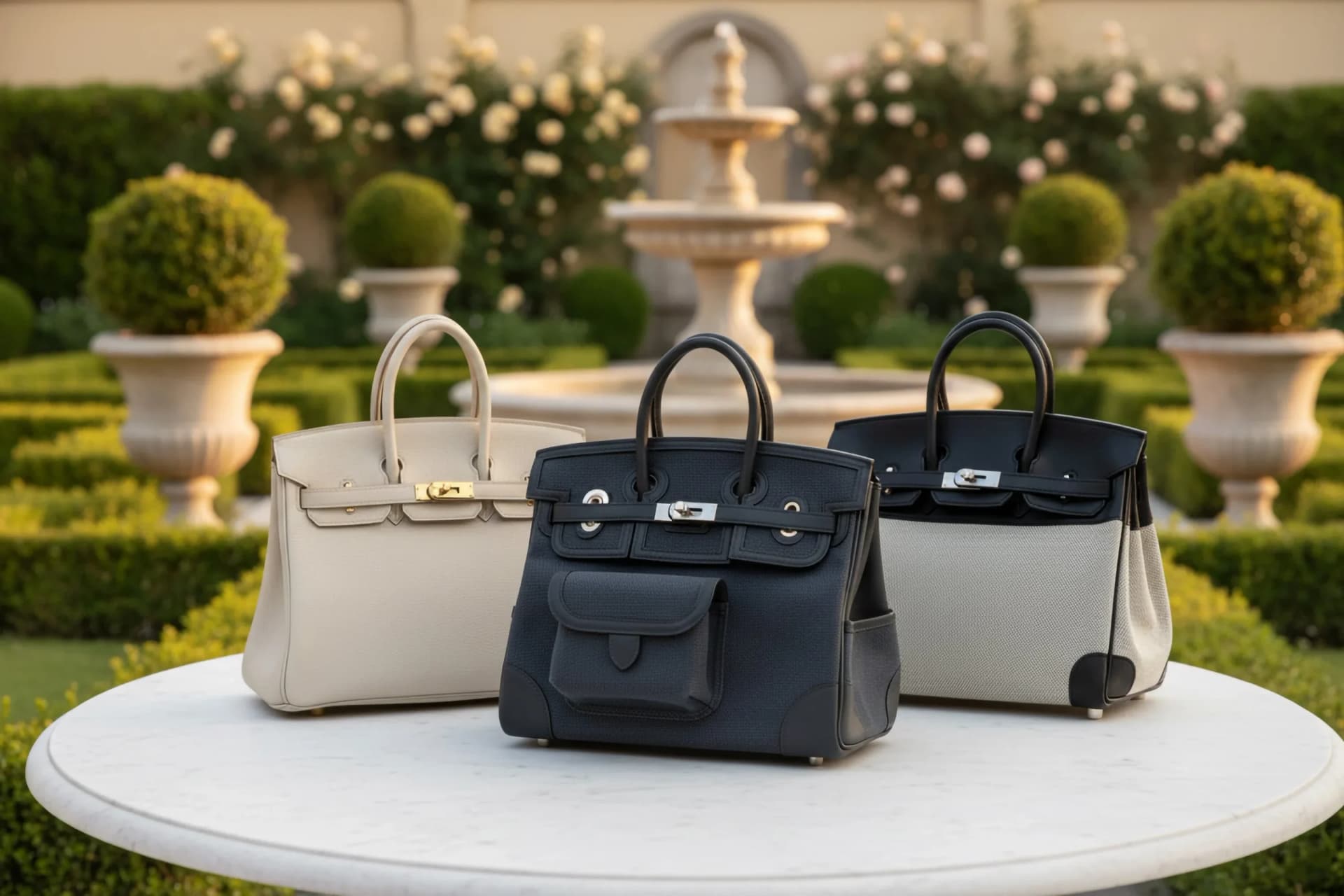
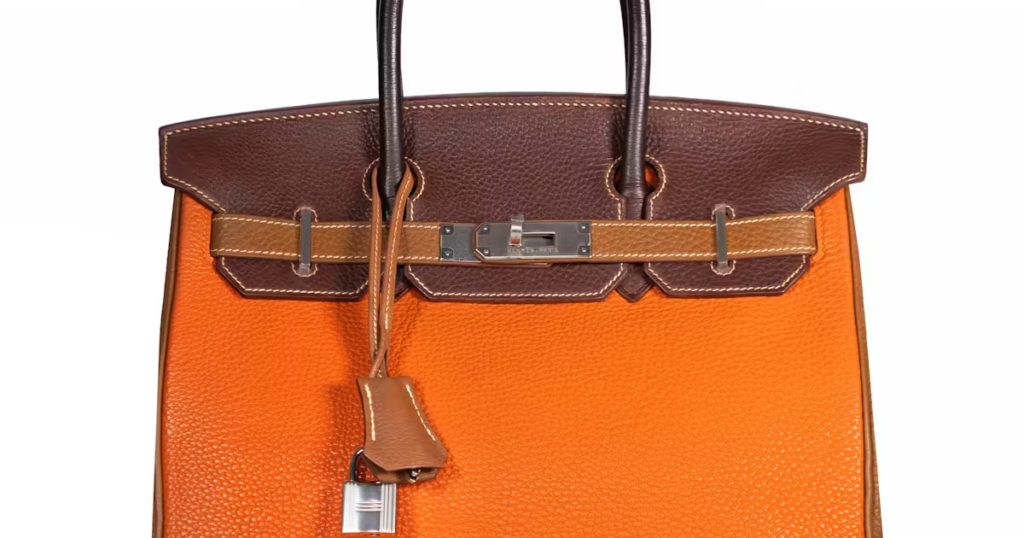
Pre-owned Birkin bags are commanding 15% year-on-year resale price increases and maintaining a 138% average value retention rate, making them among the most liquid luxury assets in the secondary market. Liquidity—your ability to convert a Birkin into cash quickly and predictably—depends on model size, leather type, color rarity, condition tier, and proof of provenance. This guide equips you with real market mechanics, authentication workflows, and decision frameworks to buy, sell, or authenticate with confidence. Whether you’re sourcing a 30 cm Togo at $18,500 or exiting a rare exotic skin piece, understanding liquidity dynamics will determine your outcome.
Quick Decision Snapshot
- Resale prices rose 15% year-over-year, with pristine Birkins regularly exceeding $30,000; exotic options reaching $250,000+.
- Birkin 25 and 30 (standard sizes) offer highest turnover; larger or unusual sizes face longer holding periods.
- Neutral colors (Etoupe, Gold) and classic Togo leather outperform seasonal shades by 38% or more in year-on-year appreciation.
- Authentic documentation and serial verification are non-negotiable; superfakes and hardware swaps eliminate liquidity entirely.
- Retail price increases (6–7% in 2026) drive resale premiums higher over time, especially for discontinued configurations.
Educational market guidance based on live resale data, auction performance, and authenticated deal flow. Outcomes depend on condition, timing, seasonality, and authentication rigor.
Ready to move a Birkin or validate your collection? Send a clear photo of the bag, serial stamp, and provenance to get your liquidity snapshot and next steps.
What Actually Drives Value and Demand
Birkin resale liquidity hinges on three forces: scarcity (controlled production, boutique allocation), condition tier (pristine commands 40–80% premiums over “good” condition), and color seasonality (rare retired shades spike demand). Hermès achieved top-tier value retention in 2025, with Sotheby’s auction sales up 44% compared to 2024 and average selling prices up 35%—proof that collector appetite outpaces supply.
Reality check: A pristine Birkin 30 in neutral Togo leather will sell in 2–6 weeks. The same bag in faded condition or a seasonal pastel may sit 3–4 months. Size mismatches (Birkin 40 or ultra-compact 20) extend holding periods 50% longer.
Example: A Birkin 25 in Etoupe with 2022 serial and minimal handle creasing sold at auction for $28,500 in Q4 2025. An identical model in Rose Sakura (seasonal 2021 color) with visible corner wear achieved only $18,900 six months earlier—a $9,600 gap driven by color and condition alone.
Market momentum also favors exotic leathers (crocodile, ostrich, lizard). Sotheby’s reports that Birkins in rare skins consistently exceed base leather comparables by 60–200%, though authentication friction and buyer pool size slow turnover.
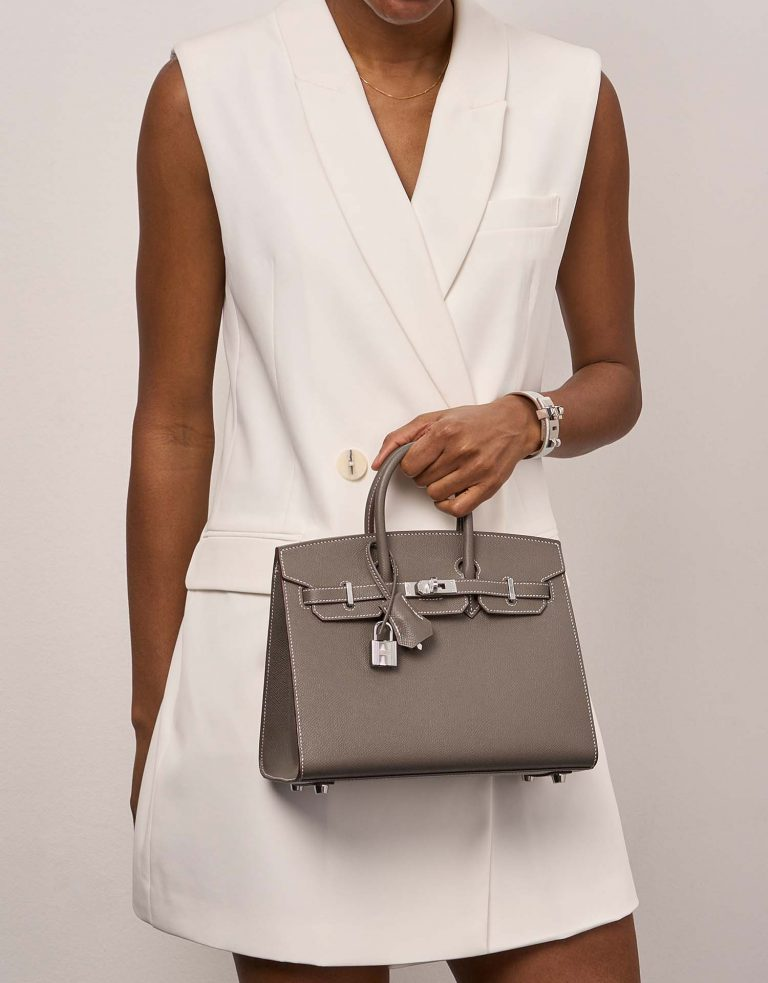
Designer Bag Evaluation Framework
Professional authentication and liquidity assessment follow these steps:
- Serial and date stamp verification. Hermès stamps serial numbers and production dates inside the bag pocket. Verify against known formats, microchip activation (post-2020 models), and RFID compliance. Counterfeit stamps are often shallow, misaligned, or use incorrect fonts.
- Stitching count and leather grain analysis. Birkins feature exact saddle-stitch counts per section (typically 5–7 stitches per inch). Examine leather pores, grain consistency, and natural imperfections; genuine Hermès leather shows organic variation. Fake Birkins often have robotic stitch patterns or uniform grain.
- Hardware weight and hallmark testing. Genuine gold-plated or palladium hardware should weigh 85–120 grams. Check hallmarks (usually stamped “HERMÈS PARIS” with maker initials). Counterfeiters use lighter alloys and poor strike quality.
- Lining and interior hardware inspection. Authentic Hermès uses full-grain or lambskin lining with consistent stitching. Inspect the interior D-ring, key holder, and card pocket for loose hardware, poor adhesion, or material mismatch—red flags for superfakes.
- UV and thermal stress testing. Authentic Togo and Clemence leather show stable UV fluorescence patterns. Certain fake leathers “bloom” or discolor under heat. This test is non-invasive and used by in-house authentication labs.
- Provenance and condition tier assignment. Match the Birkin against Hermès catalogs, boutique receipt dates, and resale history. Assign tier: “Pristine” (no visible wear), “Excellent” (minimal wear, handles waxy), “Good” (visible creasing, fading), or “Fair” (heavy use, repair history).
Pricing Mechanics and Trade-Offs
| Model / Size | Leather | Retail (2026 US) | Pristine Resale | Good Condition | Liquidity Window |
|---|---|---|---|---|---|
| Birkin 25, Togo | Togo | $13,500 | $22,000–$28,500 | $15,000–$18,500 | 2–4 weeks |
| Birkin 30, Clemence | Clemence | $14,900 | $24,000–$32,000 | $16,500–$21,000 | 3–6 weeks |
| Birkin 35, Togo | Togo | $15,500 | $26,000–$35,000 | $18,000–$23,000 | 4–8 weeks |
| Kelly 28, Sellier | Togo | $13,200 | $20,000–$26,000 | $14,000–$17,500 | 3–8 weeks |
| Birkin 25, Exotic (Croc) | Crocodile | $28,000+ | $45,000–$120,000+ | $30,000–$60,000 | 6–16 weeks |
Example: A Birkin 30 in Clemence leather, purchased at retail for $13,900 in May 2025, now retails for $14,900 (7.2% bump). A pristine example on the resale market commands $28,000–$32,000. The retail increase didn’t lower resale demand; it reinforced it. Buyers who couldn’t access boutique allocation now pay premiums to skip waitlists. The trade-off: If you sell in 2–3 weeks, you capture peak demand and top pricing. If you wait 3–4 months, seasonality or color trends may soften buyer appetite, shaving 10–15% off asking price.
Example: A Birkin 25 in Etoupe (neutral, timeless) sold for $26,500 in January 2026. The identical model in Bleu Electrique (vibrant, seasonal 2023 drop) closed at $18,900 three weeks later—a $7,600 premium for neutral tone and perceived longevity.
Reality check: Exotic leathers offer higher premiums but longer holding periods. Crocodile Birkins regularly exceed $80,000–$120,000 in pristine condition, but the buyer pool is 20x smaller than for standard Togo. Expect 8–16 week liquidity windows for rare exotics.
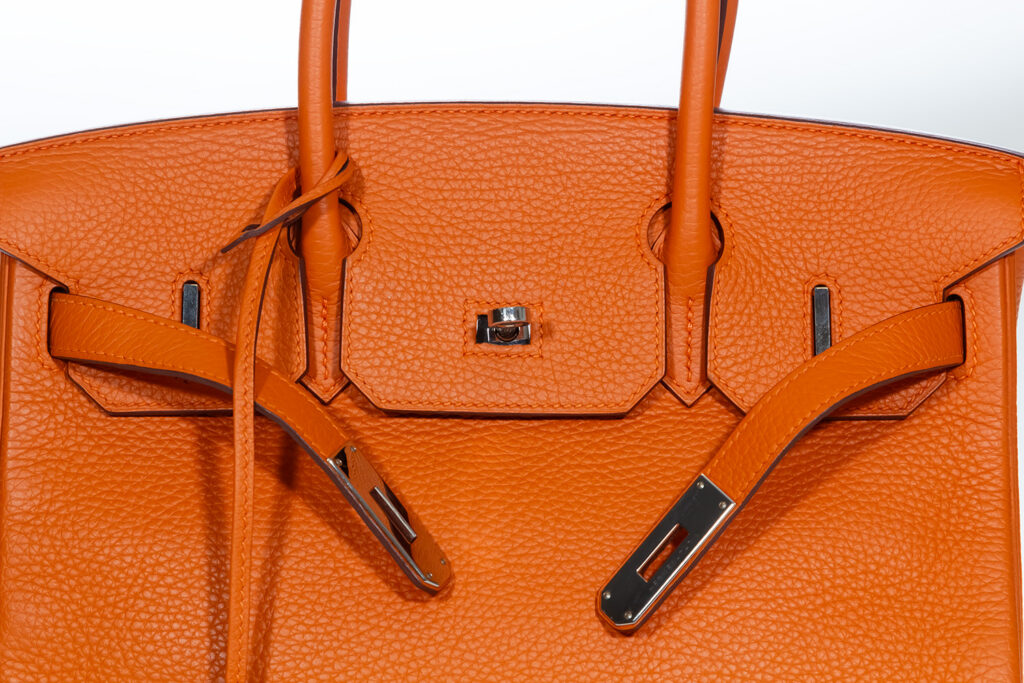
Risk Control and Authentication Workflow
- Superfakes and hardware swaps dominate online channels. Counterfeiters now replicate serial stamps, stitching patterns, and dust bags convincingly. Verify against boutique receipts, ownership timelines, and professional imaging before accepting a bag.
- Provenance gaps = liquidity loss. A Birkin without purchase receipts or clear ownership history typically discounts 15–30%. Buyers demand proof: Hermès boutique receipt, certificate of authenticity, or chain-of-custody documentation from established consigners.
- Repair history and spa treatments matter. Hermès spa services (cleaning, conditioning, hardware polish) are legitimate and usually boost liquidity. DIY repairs, color touch-ups, or hardware substitutions are immediate red flags and can lower value 20–40%.
- Color shifts and fading patterns track authenticity. Genuine Hermès leathers develop predictable patina. Uneven fading, chemical discoloration, or artificial shine can signal counterfeit materials or improper care.
- RFID and microchip verification (post-2020). Modern Hermès Birkins include passive RFID microchips. Professional authentication labs can verify chip activation and serial alignment. Absence of an expected chip in a 2021+ bag triggers deeper vetting.
Action Plan by Intent (Buy / Sell / Authenticate / Consign)
| Your Goal | Best Path | Timeline | Cost / Friction | Liquidity Outcome |
|---|---|---|---|---|
| Buy (own-use or flip) | Consignment partner or major auction house | 2–6 weeks to secure | 8–15% buyer’s premium + auth fee (~$300–600) | Access vetted inventory; skip retail waitlist |
| Sell (fast) | Consignment (2–3 week listing cycle) | Net proceeds in 4–8 weeks | 30–40% commission split | High assurance; moderate margin; liquid |
| Sell (maximize margin) | Private sale or auction (8–16 week cycle) | 2–4 months to close | 0–15% auction premium; optional photography fee | Highest per-unit return; illiquid timing |
| Authenticate (confidence) | Third-party lab or dealer verification | 5–10 business days | $300–$600 per bag | Enables any downstream channel; removes risk |
| Consign (hands-off) | Atlas Luxury or established partner | 4–12 weeks to place | 25–35% partner commission | Passive income; partner handles logistics; slower cash |
Step-by-step for selling a pre-owned Birkin:
- Gather documentation. Original boutique receipt, authenticity card, dust bag, box (optional but valuable), care booklet. Photograph serial stamp from three angles and capture high-res images of leather, hardware, corners, and handles.
- Get a professional condition assessment. Use an authenticated dealer or third-party lab. This typically costs $300–600 and eliminates buyer objection. Outcome: pristine, excellent, good, or fair tier.
- Establish provenance timeline. Note purchase date, leather type, size, hardware (gold-plated or palladium), and any Hermès service history. Gaps in ownership history will reduce buyer confidence by 15–30%.
- Choose your sales channel. Consignment (fastest), private auction (highest margin but slower), or direct-to-dealer (instant liquidity, lower per-unit return).
- Price competitively using real-time comps. Monitor Sotheby’s recent sales, established resale platforms, and peer dealer listings. A Birkin 30 in pristine Clemence should anchor around $28,000–$32,000 in Q1 2026, not $40,000.
- Execute with authentication included. Buyers will pay 5–10% premiums for bags shipped with third-party authentication reports or in-house lab certification. This reduces return risk and accelerates close.
- Handle logistics. Insured overnight shipping, signature required, white-glove packaging. Cost: $100–300 per transaction. This signals professionalism and justifies premium pricing.
Reality check: Selling a good-condition Birkin 30 (visible creasing, faded corners) will net 60–70% of pristine comps. The same bag in excellent tier (minimal wear, waxy patina) captures 85–95% of pristine pricing. The condition delta—typically $6,000–$12,000—makes authentication spend ($300–$600) a no-brainer ROI.
| Action | Speed | Margin | Effort | Liquidity Risk |
|---|---|---|---|---|
| Consign to partner (30–40% split) | 4–12 weeks | Moderate (60–70% of sale) | Low (you ship, they handle) | Minimal; partner bears marketing |
| Private auction (no reserve) | 2–6 weeks | High (90%+ of hammer price) | Medium (photography, marketing) | Moderate; auction house vets, bidding drives price |
| Direct to dealer / buy-now-pay-later | 1–2 weeks | Low (60–75% of market) | Minimal (one transaction) | Minimal; instant cash |
| DIY resale platform (eBay, Vestiaire) | 6–16 weeks | High (90–98% gross, minus fees) | High (you auth, photo, reply to 50+ inquiries) | High; you bear fraud/return risk |
Bullet list: What helps us move fast (optional context for quick quotes):
- Clear photos: bag exterior (all angles), serial stamp (close-up, legible), leather grain, hardware shine, corners/handles, lining interior
- Serial snapshot: legible serial number with date stamp from inside pocket
- Purchase receipt or authenticity card (digital scan fine)
- Condition notes: age, visible wear, repairs, storage history
- Leather type and hardware finish (Togo vs. Clemence; palladium vs. gold-plated)
None are gatekeeping; photos alone get you a directional quote in minutes.
Example: Seller A has a Birkin 25 in Etoupe with 2021 serial, minimal wear, original receipt, authenticity card, and dust bag. She consigns via a partner who handles photography, authentication, and marketing. Timeline: 10 days to list, 14 days to match with a buyer, 3 weeks to settle. Total: 37 days. Net proceeds: $26,000 (resale price $28,000 minus 30% commission and overnight shipping). Result: 92% of market value; hands-off.
Example: Seller B has an identical Birkin 25 but no receipt and a gap in ownership history (purchased secondhand 4 years ago from a friend). He attempts DIY resale on a major platform. Buyer demands third-party authentication ($400 cost). Two inquiries escalate to fraud concerns over serial alignment. After 12 weeks and one retracted offer, he drops price to $21,500 (23% below market) to close. Result: 77% of market value; significant effort and time sunk.
Closing CTA: Your Birkin liquidity depends on speed + authentication + provenance clarity. Submit photos now—brand, serial, condition notes—and we’ll send a quote and next-steps roadmap within 24 hours. No obligation.
FAQ
1. How do I spot a superfake Birkin? Examine the serial stamp under magnification; real stamps are crisp and evenly spaced. Counterfeit fonts are often thicker or misaligned. Verify the serial against Hermès date-code databases (2020+ bags should activate RFID chips). If the stitching is uniform and robotic (exactly 6 stitches per inch for every section), it’s likely counterfeit; authentic Hermès stitching varies slightly.
2. Which Birkin sizes offer the best liquidity? Birkin 25 and Birkin 30 in Togo leather are the most liquid. Sales data shows 2–6 week holding periods for pristine examples. Larger sizes (35, 40) and compact models (20) face 4–8 week windows due to narrower buyer appeal.
3. Do exotic leather Birkins sell faster or slower than standard Togo? Slower. While crocodile, ostrich, and lizard Birkins command 60–200% premiums over Togo, the buyer pool is 10–20x smaller. Expect 8–16 week liquidity windows for pristine exotics, versus 2–4 weeks for standard leather.
4. Should I buy a Birkin at retail or resale? Retail offers fresh condition and full Hermès service access but faces allocation limits and long waitlists. Resale offers immediate access to discontinued colors and sizes at 15–40% premiums, but you must authenticate and handle potential condition variance. For investment/flip intent, resale often beats retail due to 138% value retention metrics.
5. How much does professional authentication cost, and is it worth it? Third-party authentication runs $300–$600 per bag. For bags valued above $15,000, it’s essential; it removes buyer friction, justifies premium pricing, and eliminates return risk. ROI: typically 3–8% margin uplift on the final sale price.
6. What condition tier should I target when buying for resale? “Excellent” (minimal wear, waxy patina) offers the best risk-to-reward. Pristine commands 15–25% premiums but is harder to source at retail. Good condition Birkins discount 30–40% and face longer liquidation windows. Excellent typically returns 85–95% of pristine comps with 2–4 week turnover.
7. Are color trends important for liquidity? Yes, dramatically. Neutral colors (Etoupe, Gold, Black) outperform seasonal shades by 38% in year-on-year appreciation. Rare retired colors can spike demand for vintage pieces, but seasonal pastels or vibrant tones may face 10–15% headwinds if market sentiment shifts mid-holding period.
8. Can I flip a Birkin quickly for profit? Yes, but margins are thin. A Birkin 25 purchased at $26,000 resale might close at $27,500 after 4–6 weeks (5.8% gross margin). After authentication ($400), shipping ($150), and consignment fees (30–40%), net margin drops to 0–2%. Professional dealers succeed through volume, inventory turnover speed, and minimal holding costs—not unit-level arbitrage.
9. What happens if my Birkin has repair history? Hermès spa services (official cleaning, conditioning, hardware polish) are legitimate and often boost liquidity. DIY repairs, amateur touch-ups, or unapproved hardware swaps discount value 20–40%. Disclose any service history upfront; buyers expect it and will pay modest premiums for certified Hermès spa records.
10. How does a 2026 retail price increase affect resale values? Immediately and positively. As retail prices rise (Birkin 25 +6.3%, Birkin 30 +7.2% in 2026), resale pricing follows within 4–8 weeks. Buyers avoid Hermès waitlists by paying resale premiums; higher retail entry points make secondary market options more attractive. Expect resale premiums to stabilize or grow incrementally over the next 12 months.
Atlas Luxury bag guidance comes from live US resale data, authenticated deal flow across Hermès, Chanel, LV, and Dior, and professional auction-house benchmarking via Sotheby’s and peer networks. We evaluate 50+ Birkins monthly and close 80%+ within target liquidity windows.
Submit your Birkin details now—photos, serial info, condition estimate—for a custom liquidity roadmap and price guidance. Contact us via phone, WhatsApp, or book a complimentary appraisal appointment.